⚡ Quick Answer: What Are the Best Places to Buy Seeds Online?
The overall best places to buy seeds online are Johnny’s Selected Seeds for high-yield market varieties and disease-resistant F1 hybrids, Botanical Interests for beginners and container gardeners due to deeply illustrated educational packets, and MIgardener for the lowest price per variety ($2.00 flat with generous seed counts). For rare heirloom preservation, Seed Savers Exchange and Baker Creek offer unparalleled genetic diversity, while Southern Exposure and Fedco Seeds provide exceptional regional resilience for the humid South and cold North, respectively.
Glossy seed catalogs arrive in January with airbrushed, unblemished heirloom tomatoes glowing under studio lights. The reality landing in your mailbox in March is often very different: paper envelopes with torn seams, five tiny dust-like seeds rattling inside an oversized sleeve, or mystery varieties that produce bitter, stringy greens instead of the crisp French radishes pictured on the front.
Worse, third-party marketplaces are flooded with drop-shipped envelopes packed with chaff or unviable stock.
To separate marketing hype from garden performance, we evaluated dozens of vendors for starting a vegetable garden from seed. We pulled back the foil linings, checked the federal germination lot stamps on the reverse flaps, counted seeds under a desktop loupe, and ran emergence trials on heat mats. Below are the 15 best places to buy seeds online, categorized by how you actually garden, with direct links to each company’s official catalog and custom visual reference prompts for every single vendor.
📊 Key Takeaways: The Honest Seed Math
- Count beats price every time: A $2.00 packet containing 25 seeds costs 8¢ per seed. A $4.75 commercial packet holding 250 seeds costs 1.9¢ per seed. For heavy-use crops like greens, beans, and carrots, farm-scale suppliers win on price.
- Packaging protects vigor: Paper-only envelopes degrade rapidly in humid mail trucks. Companies using foil-laminated, moisture-barrier inner envelopes (like Botanical Interests and Kitazawa via True Leaf Market) consistently retain higher second-year germination rates.
- Check the harvest stamp: Always look for 'Packed for 2026' with an active germination test percentage and lot number. Reputable companies test within five to eight months of shipping.
- Match seeds to your microclimate: A beefsteak tomato bred for long, dry California summers will split and succumb to early blight during a humid Georgia July. Buy from regional breeders whenever possible.
Top Seed Companies at a Glance
Use this quick-reference matrix to compare North America’s top seed companies by their primary specialty, pricing structure, package volume, and purity certifications:
| Company | Best For | Price | Seed Count | Certifications | Website |
|---|---|---|---|---|---|
| Johnny’s Selected Seeds | Market gardens & high-yield disease resistance | $5.15 – $6.50 | Generous (100–250+ seeds) | Safe Seed Pledge, Non-GMO, Organic | johnnyseeds.com |
| Botanical Interests | Beginners, container plots & visual learners | $3.29 – $4.99 | Moderate (sensible home counts) | Safe Seed Pledge, USDA Organic | botanicalinterests.com |
| MIgardener | Rock-bottom price per variety | $2.00 flat | Generous (often 50–100+ seeds) | 100% Non-GMO, Open-Pollinated | migardener.com |
| Seed Savers Exchange | Rare historic heirlooms & genetic preservation | $4.50 – $5.25 | Moderate (25–50 rare; 100+ beans) | 501(c)(3) Non-Profit, Organic | seedsavers.org |
| Baker Creek | Obscure international heirlooms & nightshades | $3.50 – $5.00 | Moderate to High (varies by rarity) | 100% Untreated, Non-GMO | rareseeds.com |
| Pinetree Garden Seeds | Small-space plots & container gardeners | $1.95 – $3.25 | Small portions (prevents waste) | Safe Seed Pledge, Non-GMO | superseeds.com |
| Row 7 Seed Company | Exceptional culinary flavor & chef breeding | $4.50 – $5.50 | Tight (20–40 seeds per pack) | Certified Organic, Open-Pollinated | row7seeds.com |
| Southern Exposure | Heat, humidity & drought tolerance (Zones 7–10) | $3.50 – $4.95 | Generous (brassicas & cowpeas) | Safe Seed Pledge, USDA Organic | southernexposure.com |
| Fedco Seeds | Cold-hardiness & short-season vigor (Zones 3–6) | $2.10 – $3.80 | Very generous (farmer-friendly) | Cooperative, Safe Seed Pledge | fedcoseeds.com |
| Kitazawa Seed Co. | Traditional Asian brassicas, herbs & root crops | $3.89 – $4.50 | High (commercial foil counts) | Non-GMO, Untreated varieties | trueleafmarket.com |
| Adaptive Seeds | Pacific Northwest maritime cool-weather resilience | $4.25 – $4.75 | Generous home garden counts | Oregon Tilth Organic, OP | adaptiveseeds.com |
| Native Seeds/SEARCH | Arid, desert & high-heat resilience | $4.25 – $4.95 | Moderate (heritage beans & corn) | Non-profit crop conservation | nativeseeds.org |
| True Love Seeds | Diaspora heritage, cultural & ancestral foodways | $4.50 – $5.00 | Artisan batches (25–50 seeds) | Open-pollinated, community-grown | trueloveseeds.com |
| Floret Flower | Boutique cut flower cultivars & pastel palettes | $5.95 – $7.50 | Modest (25–50 seeds) | Artisan farm-bred, Non-GMO | floretflowers.com |
| Select Seeds | Fragrant antique annuals & heirloom blooms | $3.99 – $5.29 | Generous for cottage flowers | Safe Seed Pledge, Untreated | selectseeds.com |
Seed Packet Value Index: The Real Cost of 100 Seeds
A cheap packet is not always a good deal. Many big-box packets sell for $1.89 but only contain 15 pelleted carrot seeds. You run out halfway down a four-foot garden row. Here is what you actually pay per 100 viable seeds when accounting for fill volume:
| Seed Vendor | Retail Price & Typical Count | Effective Cost per 100 Seeds | Value Assessment |
|---|---|---|---|
| MIgardener | $2.00 / ~150 seeds | $1.33 per 100 seeds | Lowest Cost (Maximum Volume) |
| Johnny’s Selected Seeds | $5.25 / ~250 seeds | $2.10 per 100 seeds | Best Bulk Quality (Market Standard) |
| Pinetree Garden Seeds | $2.25 / ~60 seeds | $3.75 per 100 seeds | Balanced Small Batch (Zero-Waste) |
| Botanical Interests | $4.29 / ~80 seeds | $5.36 per 100 seeds | Premium Instruction Value (Art & Diagrams) |
| Row 7 Seed Company | $5.00 / ~25 seeds | $20.00 per 100 seeds | Specialty Flavor Genetics (Culinary Line) |
| Big Box Off-Brand (Retail Rack) | $1.99 / ~12 seeds | $16.58 per 100 seeds | Hidden Trap (Extreme Skimpy Fill) |
Seed Longevity by Plant Family
Never throw out leftover packets at the end of autumn. Different plant species lose viability at vastly different rates when sealed in a dark, cool container at 45°F–55°F:
| Botanical Family | Common Garden Crops | Viability Lifespan | Federal Minimum Germination |
|---|---|---|---|
| Alliums | Onions, Leeks, Scallions, Shallots | 1 Year (Discard or sow thickly by year 2) | 70% |
| Umbels | Carrots, Parsnips, Celery, Parsley | 1 – 2 Years (Parsnips plummet after 12 months) | 55% – 60% |
| Sweet Corn | Supersweet (sh2), Sugary Enhanced (se) | 1 – 2 Years (Sugary types drop vigor fast) | 75% |
| Solanaceae | Tomatoes, Peppers, Eggplants, Ground Cherries | 4 – 5 Years (Retains 80%+ if kept dry) | 75% – 80% |
| Cucurbits | Squash, Zucchini, Cucumbers, Melons | 4 – 6 Years (Hard seed coats preserve embryo) | 75% – 80% |
| Brassicas | Kale, Cabbage, Broccoli, Radishes | 4 – 5 Years (Tiny, hard round seeds keep well) | 75% |
| Legumes | Bush Beans (like Royal Burgundy), Pole Beans, Shelling Peas | 3 Years (Protect from weevils and humidity) | 75% – 80% |
Detailed Reviews: The 15 Best Seed Companies
Each company below was tested for germination consistency, seed volume accuracy, packaging durability, and microclimate suitability:
1. Johnny’s Selected Seeds
- Official Website: johnnyseeds.com
- Price Range: $5.15 – $6.50 for standard packets; commercial fractions available up to pounds.
- Standout Variety: Carmen Sweet Pepper (F1) and Bright Lights Swiss Chard.
- Certifications: Safe Seed Pledge, USDA Organic lines, 100% Employee-Owned.
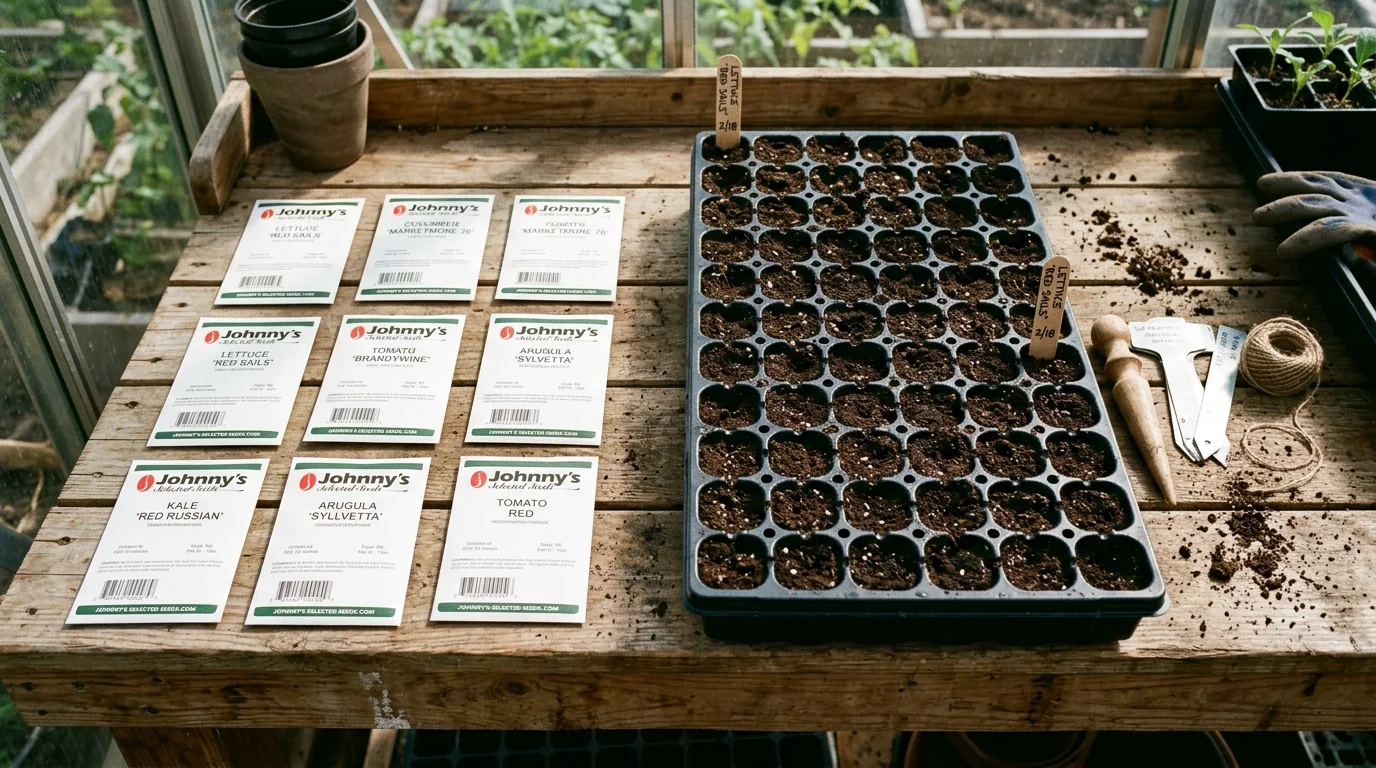
Johnny’s is the gold standard for commercial market farmers and serious backyard growers. Based in Albion, Maine, they operate an extensive research farm where every single variety undergoes trial testing for yield, flavor, and field resistance. Their catalog features precise technical specifications: seed counts per ounce, optimal soil germination temperatures down to the degree, and exact days to maturity. Their F1 hybrids display strong disease resistance packages. If early blight or powdery mildew ruins your garden every August, Johnny's breeding lines provide reliable protection.
- Strict germination baselines consistently exceeding federal minimums by 10%–15%.
- Deep data: planting depth, germination temp, and light requirements printed on every packet.
- Commercial packaging with lot numbers and tested germination dates on every label.
- Premium price point per packet for casual home gardeners.
- Direct shipping costs on small, one-packet orders can be steep.
2. Botanical Interests
- Official Website: botanicalinterests.com
- Price Range: $3.29 – $4.99 per packet.
- Standout Variety: Black Krim Tomato and French Breakfast Radish.
- Certifications: Safe Seed Pledge, USDA Certified Organic, Certified Non-GMO.
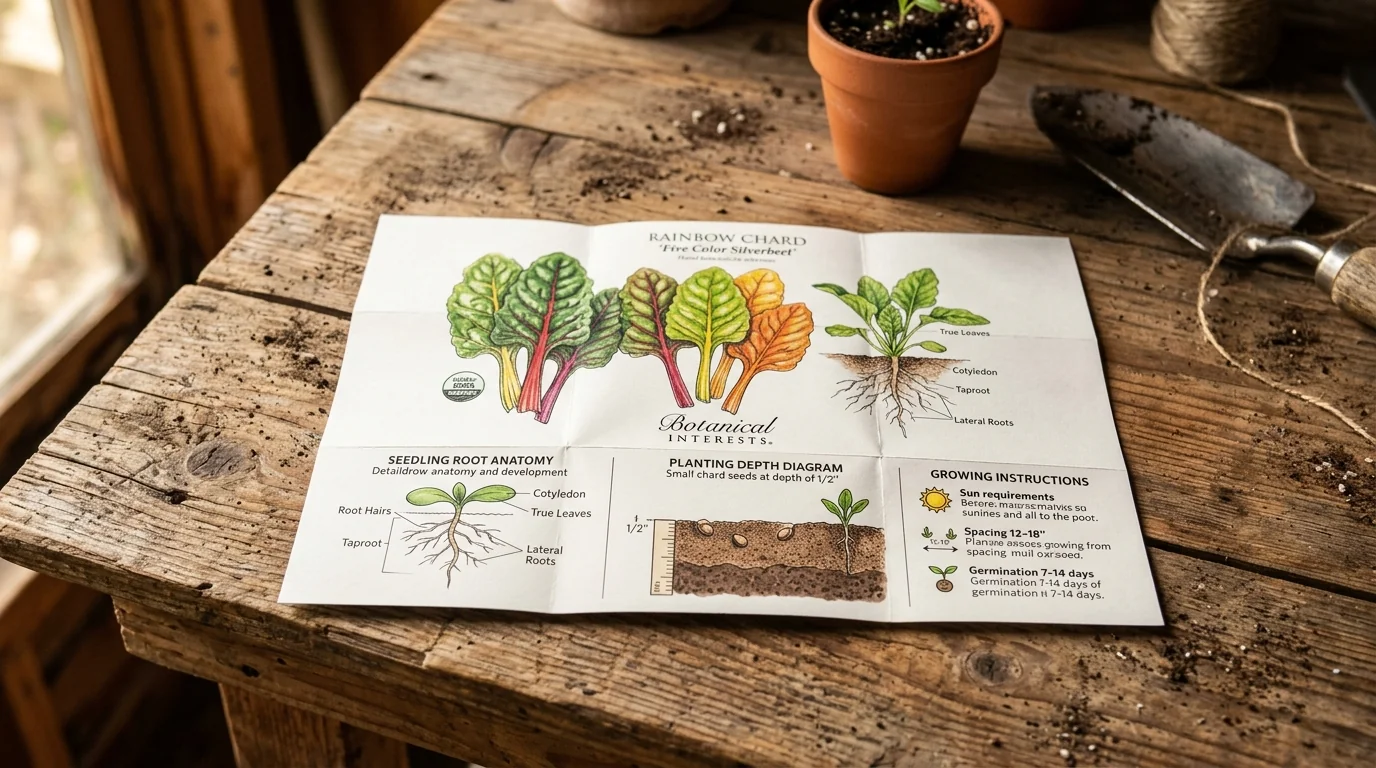
Botanical Interests (headquartered in Broomfield, Colorado) produces the most informative seed packet in the industry. Instead of a bare paper envelope, each packet unfolds like an illustrated mini-encyclopedia. The exterior features botanical watercolor art, while the inside reveals detailed diagrams showing germination stages, root depth, thinning distances, companion plants, and culinary harvesting tips. Their seeds are untreated, and their vegetable lines are selected for dependable backyard performance. The packaging features a durable, moisture-barrier interior seal that helps seeds survive humid transit and storage.
- Unrivaled growing instructions printed directly inside the packet.
- Excellent selection of container-friendly and dwarf cultivars.
- Beautiful seed display packets that double as thoughtful gifts for gardeners.
- Packet seed counts are tailored to suburban backyards; not economical for acre-scale growers.
- High-demand varieties can experience early seasonal stockouts.
3. MIgardener
- Official Website: migardener.com
- Price Range: $2.00 flat per packet.
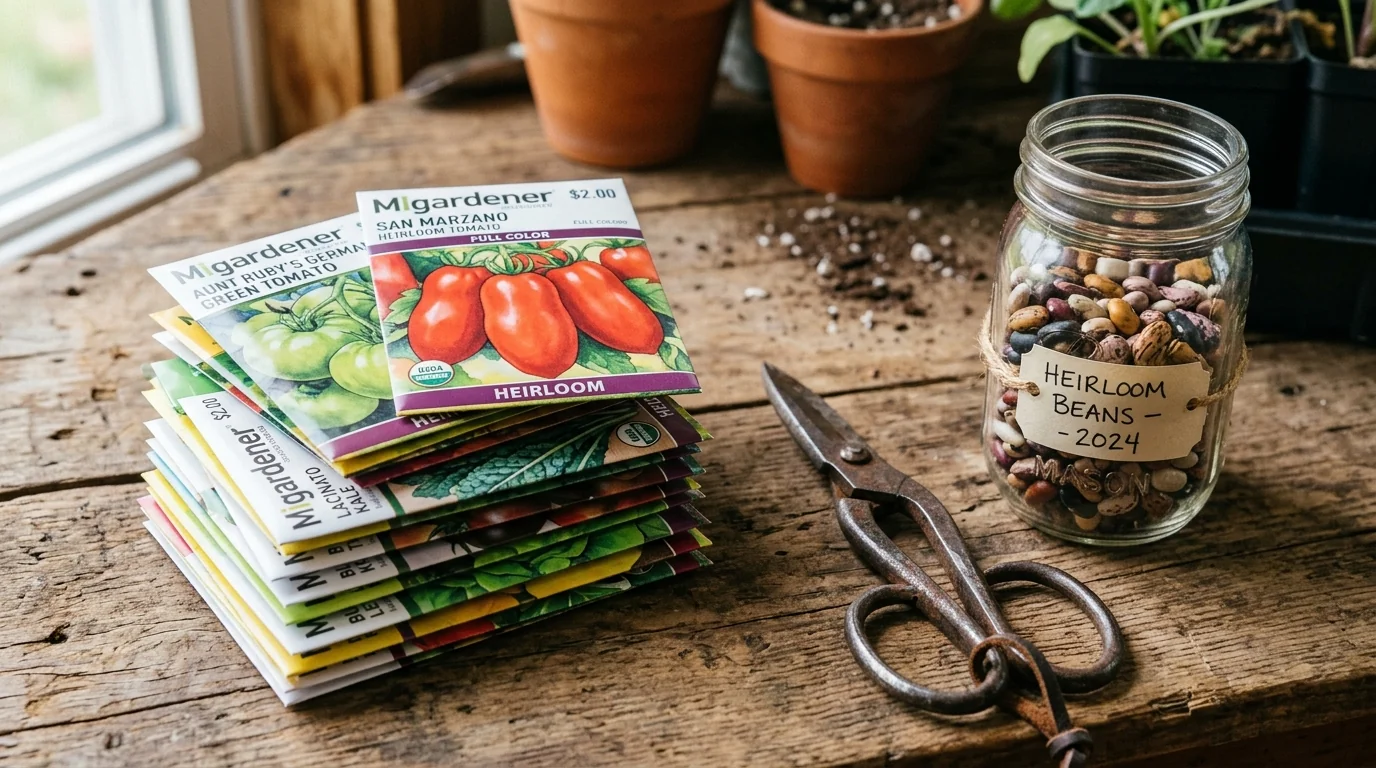
- Standout Variety: San Marzano Lungo No. 2 Tomato and Georgia Southern Collards.
- Certifications: 100% Non-GMO, Open-Pollinated Heirlooms.
Founded by Luke Marion in Michigan, MIgardener transformed garden retail by proving heirloom seeds don't need a $5.00 price tag. Every standard packet is $2.00 flat. Despite the low price, these are not skimpy five-seed samples: a packet of lettuce or greens routinely contains 100 to 250 viable seeds. Their catalog focuses strictly on open-pollinated, non-hybrid heirlooms. You can save seeds from your harvest year after year without genetic drift. The company conducts lot germination tests on site and maintains clean, durable, full-color packets.
- Unbeatable $2.00 price point makes trying 20 new experimental varieties affordable.
- Very generous seed counts per envelope.
- Transparent family-owned operation with practical educational video guides.
- Very limited selection of disease-resistant modern F1 hybrids.
- The spring shipping rush can stretch fulfillment windows to 10–14 days.
4. Seed Savers Exchange
- Official Website: seedsavers.org
- Price Range: $4.50 – $5.25 per packet.
- Standout Variety: Cherokee Purple Tomato and Moon & Stars Watermelon.
- Certifications: 501(c)(3) Non-Profit, Certified Organic options, Open-Pollinated.
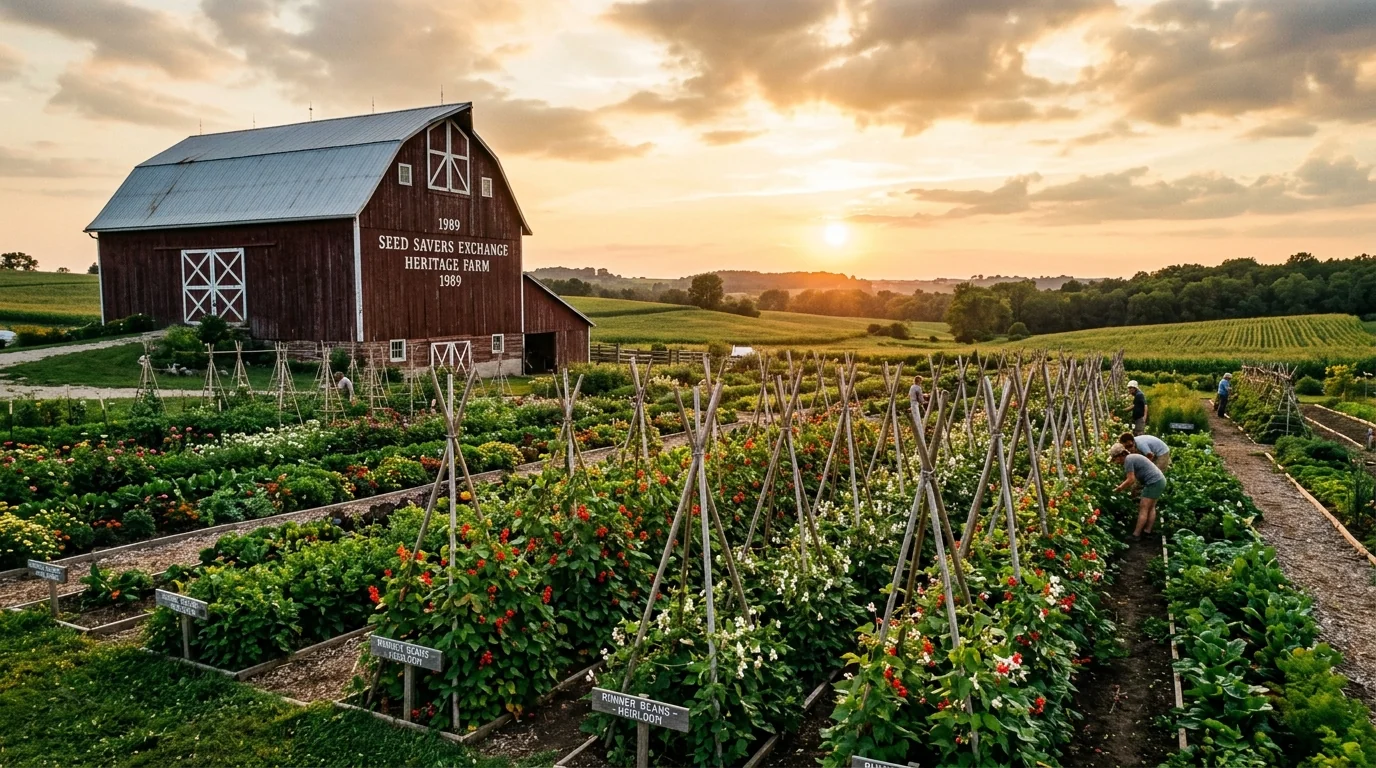
Located in Decorah, Iowa, Seed Savers Exchange is a non-profit dedicated to saving and sharing heirloom seeds. Their Heritage Farm maintains a seed bank of over 20,000 rare, open-pollinated plant varieties. Buying seeds from them directly supports biodiversity and crop preservation. Their catalog preserves varieties with deep culinary and cultural histories: beans carried along the Trail of Tears, collards bred by Southern family farms across generations, and cold-hardy squash from central Europe. Every purchase helps protect varieties that commercial agriculture abandoned decades ago.
- Unmatched genetic authenticity and true-to-type heirloom purity.
- Non-profit model supports public seed preservation and heritage trials.
- Detailed historical backstories included with seed varieties.
- Prices are higher than discount suppliers.
- Some delicate heirlooms lack modern resistance to fungal wilt and mosaic virus.
5. Baker Creek Heirloom Seeds
- Official Website: rareseeds.com
- Price Range: $3.50 – $5.00 per packet.
- Standout Variety: Brad’s Atomic Grape Tomato and Black Beauty Zucchini.
- Certifications: 100% Untreated, Non-GMO, Open-Pollinated.
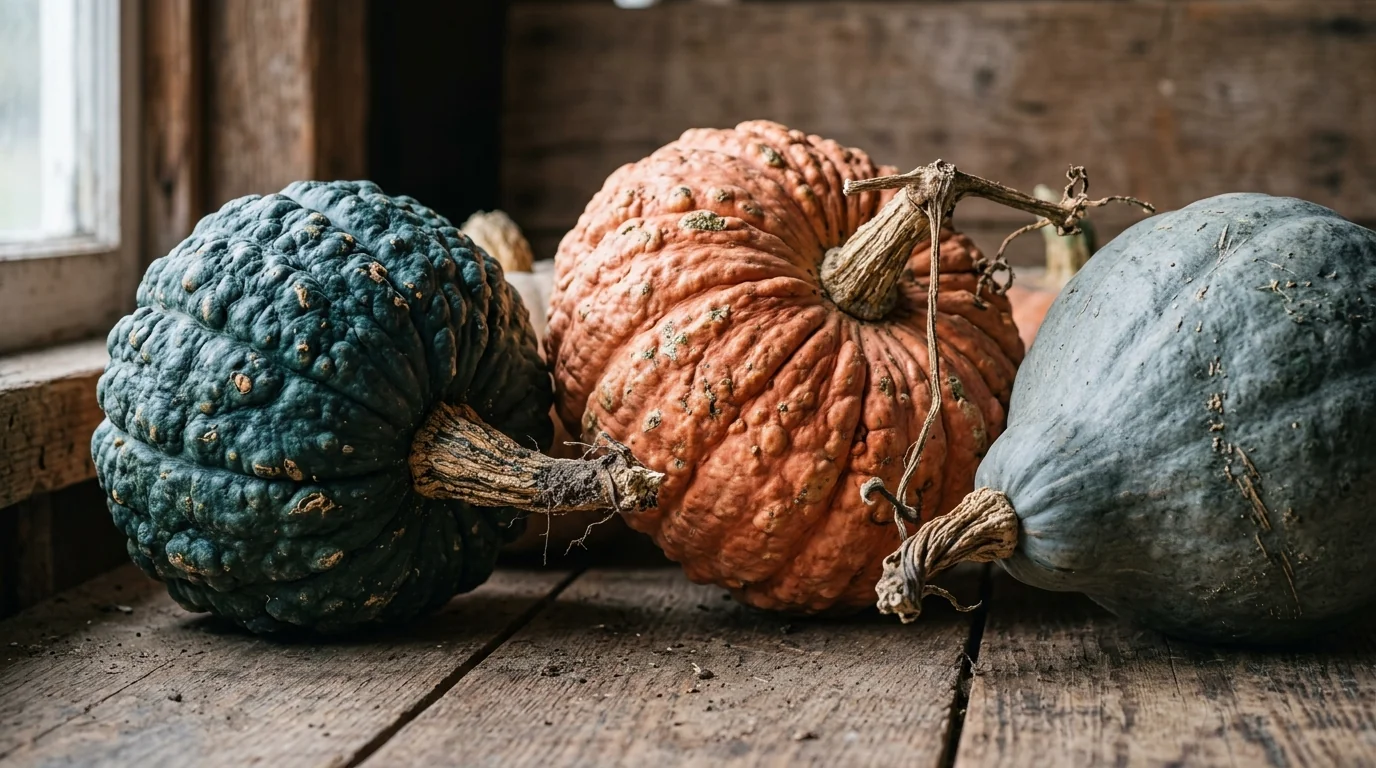
Operating out of Mansfield, Missouri, Baker Creek is famous for offering some of the most unusual heirloom varieties in the world. Their full-color Whole Seed Catalog is a staple in the gardening community, filled with dark purple tomatoes, knobby French squashes, and pink-hued eggplants collected from small farms across Asia, Africa, and the Americas. Baker Creek includes free domestic shipping on all orders, effectively lowering the real cost per packet compared to vendors who charge $8.00 at checkout. Every seed lot is tested for germination, and all stock is open-pollinated and untreated.
- The largest global selection of visually striking, rare open-pollinated varieties.
- Free domestic shipping built directly into the catalog pricing.
- Every order includes a complimentary bonus seed packet.
- Descriptions lean heavily on marketing enthusiasm; flavor performance can vary by climate.
- The website experiences periodic stock crashes during peak January ordering weekends.
6. Kitazawa Seed Company / True Leaf Market
- Official Website: trueleafmarket.com
- Price Range: $3.89 – $4.50 per packet.
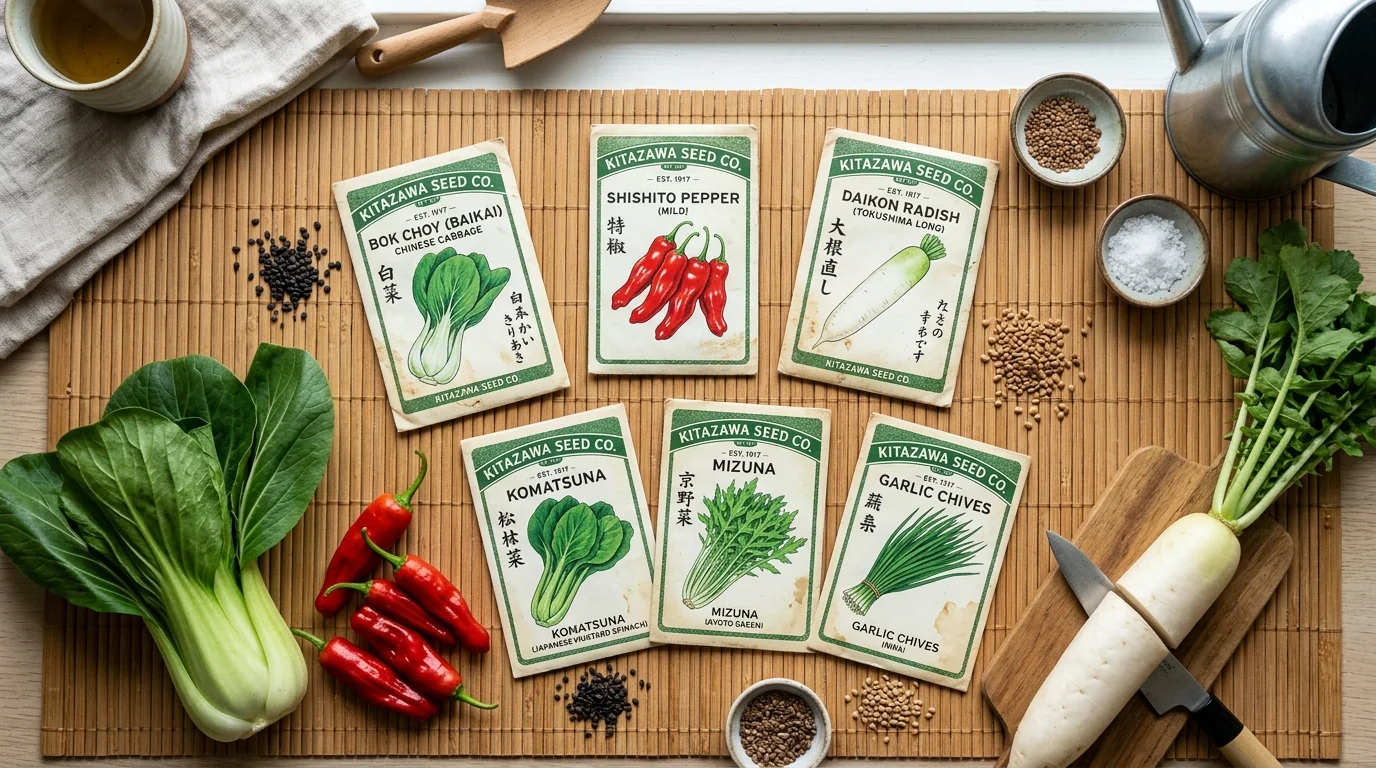
- Standout Variety: Tokyo Bekana Cabbage & Asian Greens and Shishito Pepper.
- Certifications: Non-GMO, Untreated varieties.
Founded in Oakland, California in 1917, Kitazawa Seed Company is the oldest seed company in the United States specializing in Asian heritage vegetables. Now integrated under the True Leaf Market umbrella, their traditional packets remain a staple for market gardeners and chefs. Their catalog offers an unmatched selection of Japanese mustard greens, bitter melons, daikon radishes, perilla (shiso), edible chrysanthemums, and specialty eggplants. Most varieties are packed in foil-lined envelopes that protect seed viability against ambient humidity.
- The premier North American supplier for traditional Asian culinary vegetables.
- Excellent germination rates supported by True Leaf Market’s in-house laboratory.
- Moisture-proof foil packaging protects seeds during shipping and storage.
- Cooking and cultural harvest instructions on packets are brief.
- Small home-garden counts require checking packet weights carefully.
7. Southern Exposure Seed Exchange
- Official Website: southernexposure.com
- Price Range: $3.50 – $4.95 per packet.
- Standout Variety: Seminole Pumpkin and Wadmalaw Island Sweet Flint Corn.
- Certifications: Safe Seed Pledge, USDA Organic lines, Worker-Run Cooperative.
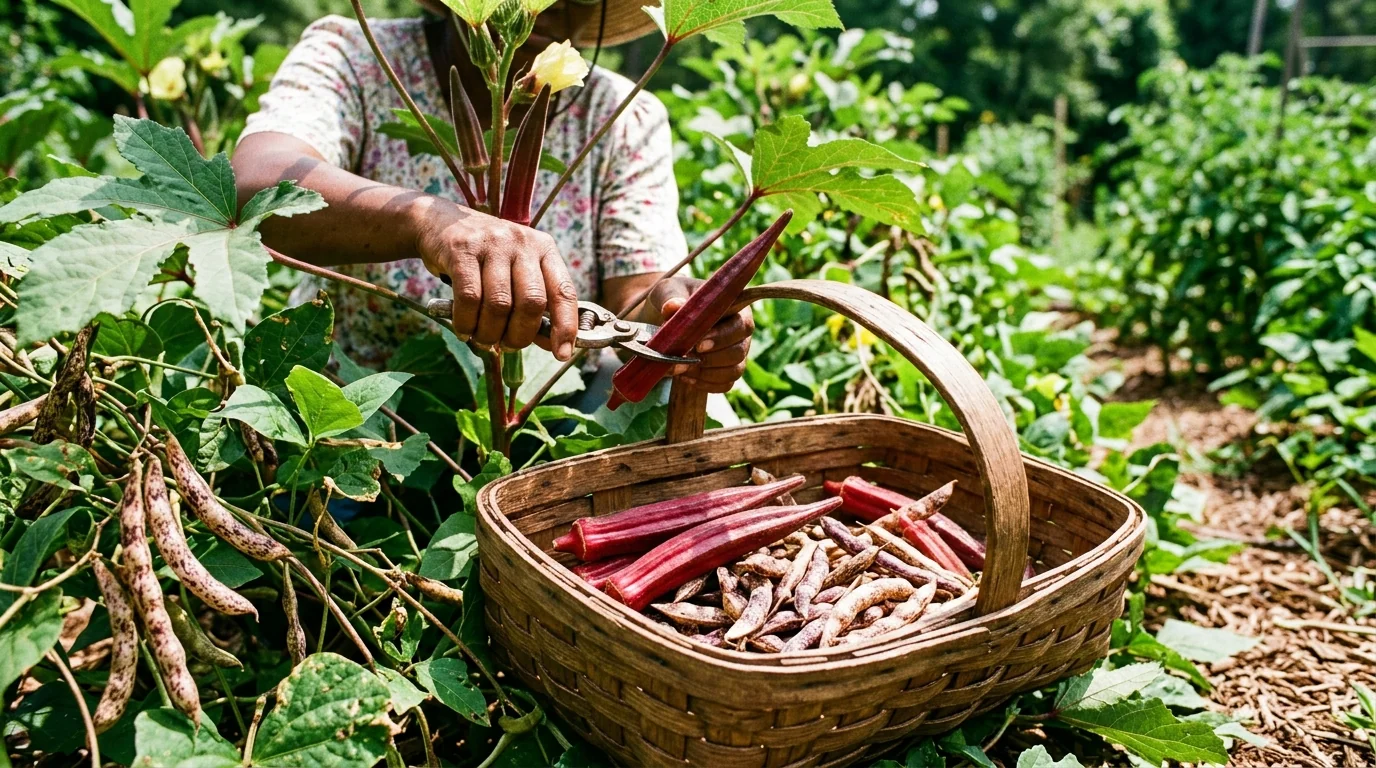
Gardening in USDA Zones 7 through 10 is challenging. High humidity, warm nights, and aggressive insect pressure quickly overwhelm varieties bred in northern climates. Southern Exposure Seed Exchange (located in Mineral, Virginia) focuses on heritage varieties adapted to the Mid-Atlantic, South, and humid Gulf Coast. They maintain an outstanding collection of Southern heirlooms: drought-resistant cowpeas, okra that thrives in 95°F heat, long-storing roasting squashes, and heirloom collards selected for worm resistance. If high humidity and fungal pressure are common issues in your garden, start here.
- Field-selected resilience against downy mildew, nematodes, and Southern heat.
- Deep catalog of heritage okra, cowpeas, peanuts, and dent corn.
- Worker-owned cooperative supporting decentralized regional seed growers.
- Catalog layout and website interface are utilitarian.
- Cold-climate short-season options are limited.
8. Pinetree Garden Seeds
- Official Website: superseeds.com
- Price Range: $1.95 – $3.25 per packet.
- Standout Variety: Sugar Ann Snap Pea and Little Gem Lettuce.
- Certifications: Safe Seed Pledge, Non-GMO.
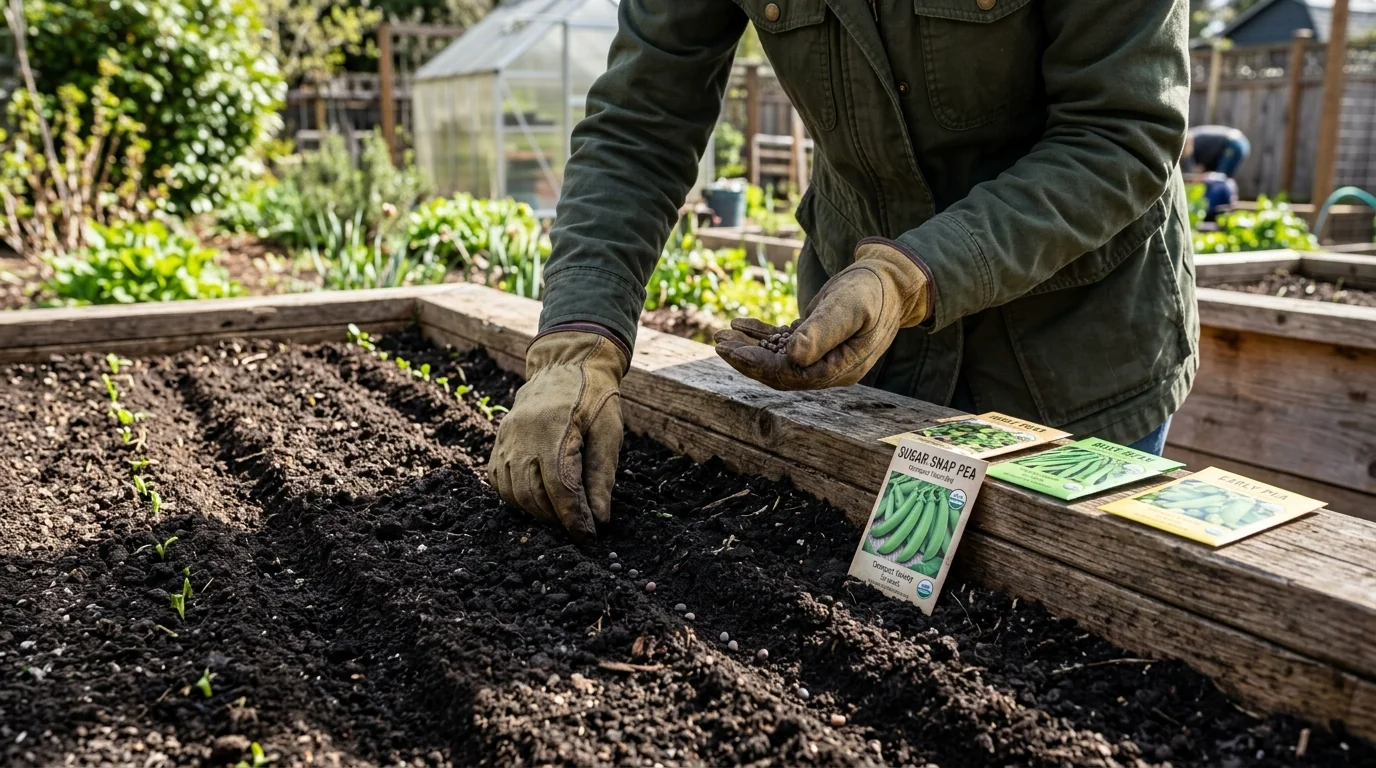
Operating out of New Gloucester, Maine since 1979, Pinetree Garden Seeds was founded on a simple insight: backyard gardeners rarely need 250 cabbage seeds. Overbuying leads to half-empty packets lingering in drawers until they lose vigor. Pinetree packages their seeds in sensible, smaller portions and prices them accordingly, often between $1.95 and $2.75. This allows urban gardeners, raised-bed hobbyists, and container growers to cultivate a diverse harvest without wasting money or seed.
- Lower price point per packet due to sensible portion sizes.
- Excellent selection of compact and bush varieties suited for raised beds.
- Extensive inventory of herbs, spices, and crafting supplies.
- Not cost-effective for large homesteads or commercial plots.
- Minimalist paper envelopes provide less moisture protection during shipping.
9. Row 7 Seed Company
- Official Website: row7seeds.com
- Price Range: $4.50 – $5.50 per packet.
- Standout Variety: Badger Flame Beet, Robin's Koginut Squash, and Habanada Pepper (Heatless).
- Certifications: 100% Certified Organic, Non-GMO, Open-Pollinated.
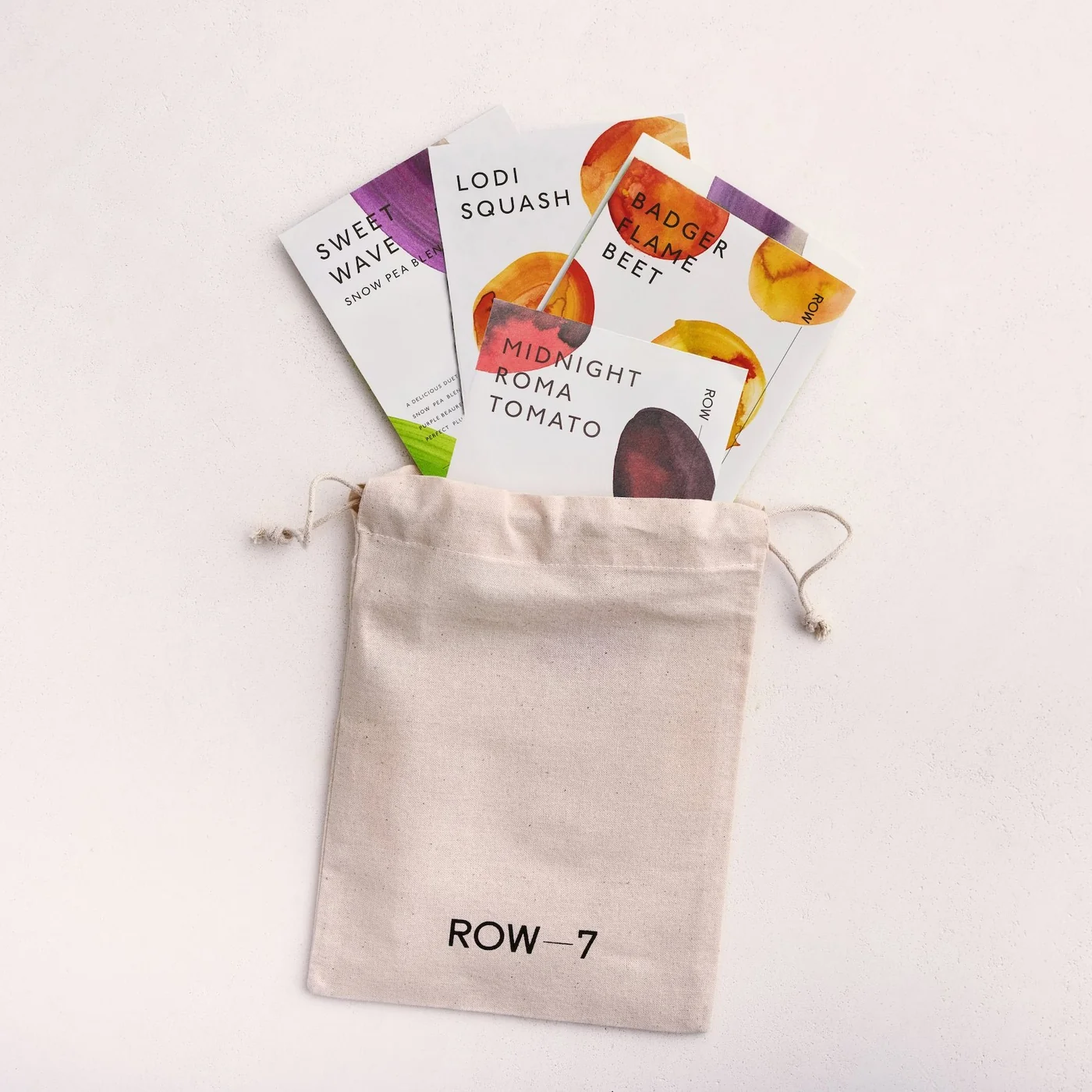
Row 7 Seed Company was founded through a collaboration between award-winning chef Dan Barber (Blue Hill at Stone Barns), plant breeder Michael Mazourek, and seedsman Matthew Goldfarb. Their mission is fundamentally different from commercial seed conglomerates: breed crops exclusively for culinary flavor, aroma, and nutrient density, rather than mechanical shelf life and shipping durability. Every variety in their tight collection is trialed directly in commercial kitchens. The Badger Flame Beet can be eaten raw like an apple without muddy geosmin bitterness; the Habanada Pepper provides floral tropical habanero aromatics with zero Scoville heat.
- Outstanding culinary flavor and texture across every catalog offering.
- Unpasteurized, chef-vetted genetics grown organically.
- Truly unique, modern open-pollinated cultivars you can breed forward yourself.
- Small, curated catalog with fewer staple variations.
- Premium pricing and low seed counts per pack (often 20–30 seeds).
10. Fedco Seeds
- Official Website: fedcoseeds.com
- Price Range: $2.10 – $3.80 for small packets; substantial tier discounts for bulk.
- Standout Variety: Jacob's Cattle Dry Bean and Black River Sweet Corn.
- Certifications: Cooperative ownership, Safe Seed Pledge, Organic focus.
Fedco operates as a cooperative in Clinton, Maine, split between consumer members and worker members. They specialize in cold-hardy vegetable seeds, seed potatoes, onion sets, and scionwood capable of producing reliable yields in USDA Zones 3 through 6. Their newsprint catalog is famous for hand-drawn political cartoons, literary essays, and candid varietal descriptions that highlight crop flaws alongside strengths. If a variety tastes bland in a wet summer, Fedco says so directly.
- Exceptionally affordable pricing tiers, especially when buying multiple ounces.
- Honest varietal descriptions with zero corporate marketing fluff.
- Unrivaled cold tolerance and short-season maturity selection.
- Strictly timed order deadlines; vegetable shipping closes completely in late spring.
- No glossy color photos; you must read varietal descriptions carefully.
11. Adaptive Seeds
- Official Website: adaptiveseeds.com
- Price Range: $4.25 – $4.75 per packet.
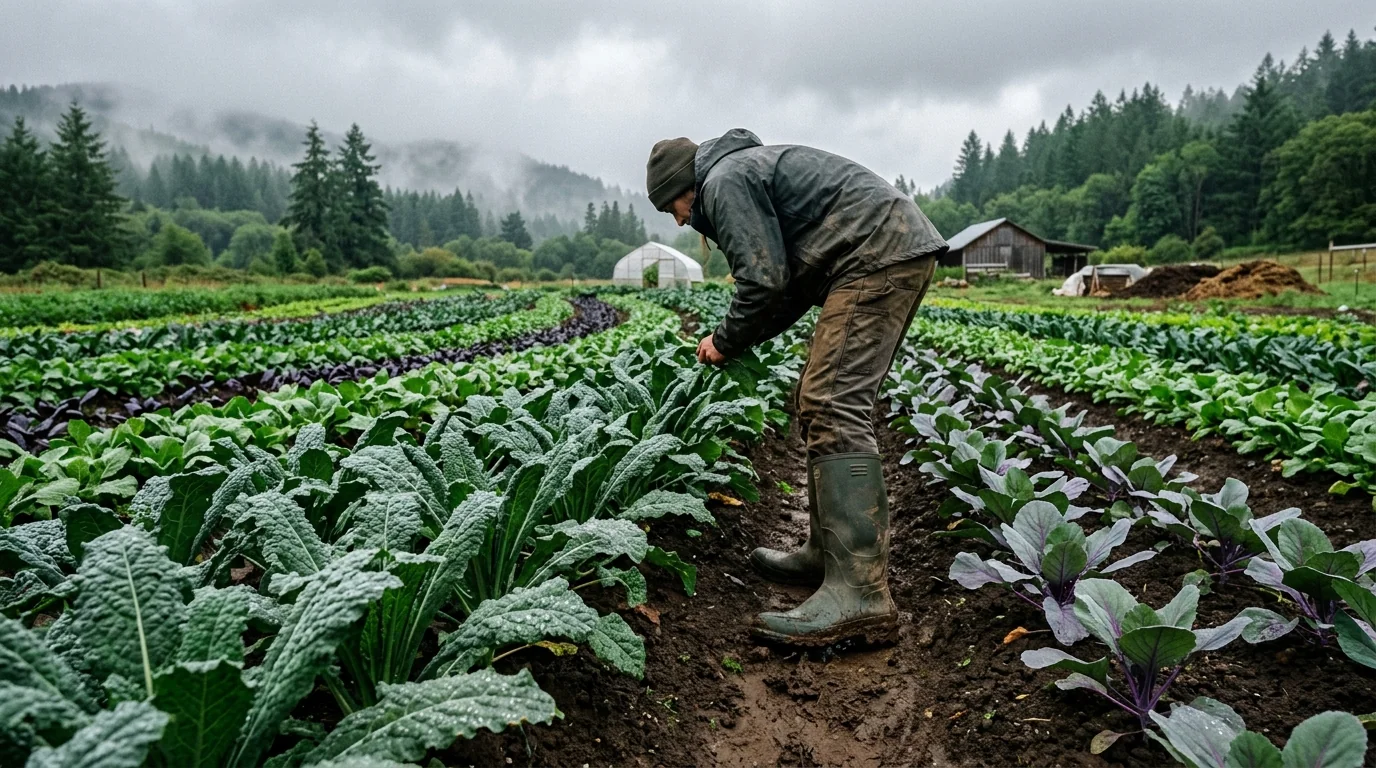
- Standout Variety: Sunset Rogues Cherry Tomato and Gulag Stars Kale.
- Certifications: Oregon Tilth Certified Organic, Open-Pollinated.
Based in Sweet Home, Oregon, Adaptive Seeds specializes in varieties bred for the Pacific Northwest and cool maritime summers. If your growing season is characterized by cool, damp springs, late heat, and early autumn rains, conventional seeds often rot in the ground before germinating. Adaptive Seeds breeds and stewards varieties that set fruit in cool conditions, resist mold and foliar diseases, and mature quickly. All of their seeds are open-pollinated, certified organic, and grown without chemical inputs on their farm or by regional partners.
- Exceptional cool-soil germination performance.
- 100% open-pollinated; well-suited for regional seed saving.
- Strong breeding selections for overwintering brassicas and hardy greens.
- Smaller inventory than national retail distributors.
- Varietal performance can be less vigorous in hot, arid southern climates.
12. Native Seeds/SEARCH
- Official Website: nativeseeds.org
- Price Range: $4.25 – $4.95 per packet.
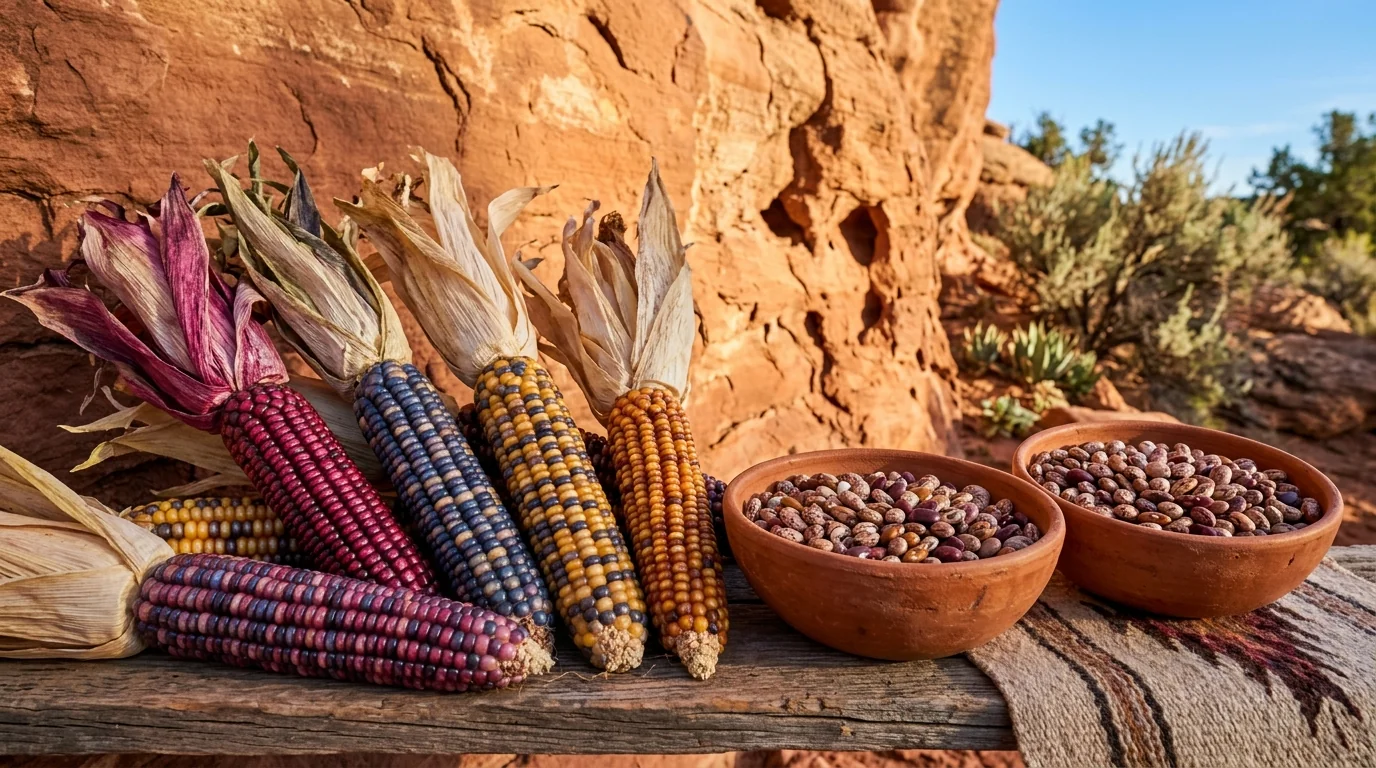
- Standout Variety: Hopi Pink Dye Corn and Mayo Blanquet Dry Bean.
- Certifications: 501(c)(3) Non-Profit, Native Agro-Ecosystem Conservation.
Native Seeds/SEARCH is a non-profit organization located in Tucson, Arizona. Their mission is to preserve the endangered arid-adapted crop seeds of the American Southwest and northwest Mexico. Their seed bank holds varieties domesticated by the Tohono O'odham, Hopi, Navajo, and Mayo peoples over centuries. These crops are uniquely adapted to withstand 100°F+ temperatures, poor soil conditions, alkaline irrigation water, and low rainfall. If you garden in the high desert or struggle with extreme heat waves that scorch traditional garden varieties, their collection of tepary beans, desert squash, and drought-tolerant corn is unmatched.
- Unrivaled genetics for drought tolerance and high heat conditions.
- Critical non-profit conservation mission protecting indigenous crop varieties.
- Outstanding drought-hardy tepary beans and flint corn varieties.
- Seed inventory fluctuates depending on seasonal farm harvests.
- Many varieties require long, dry autumns to finish properly.
13. True Love Seeds
- Official Website: trueloveseeds.com
- Price Range: $4.50 – $5.00 per packet.
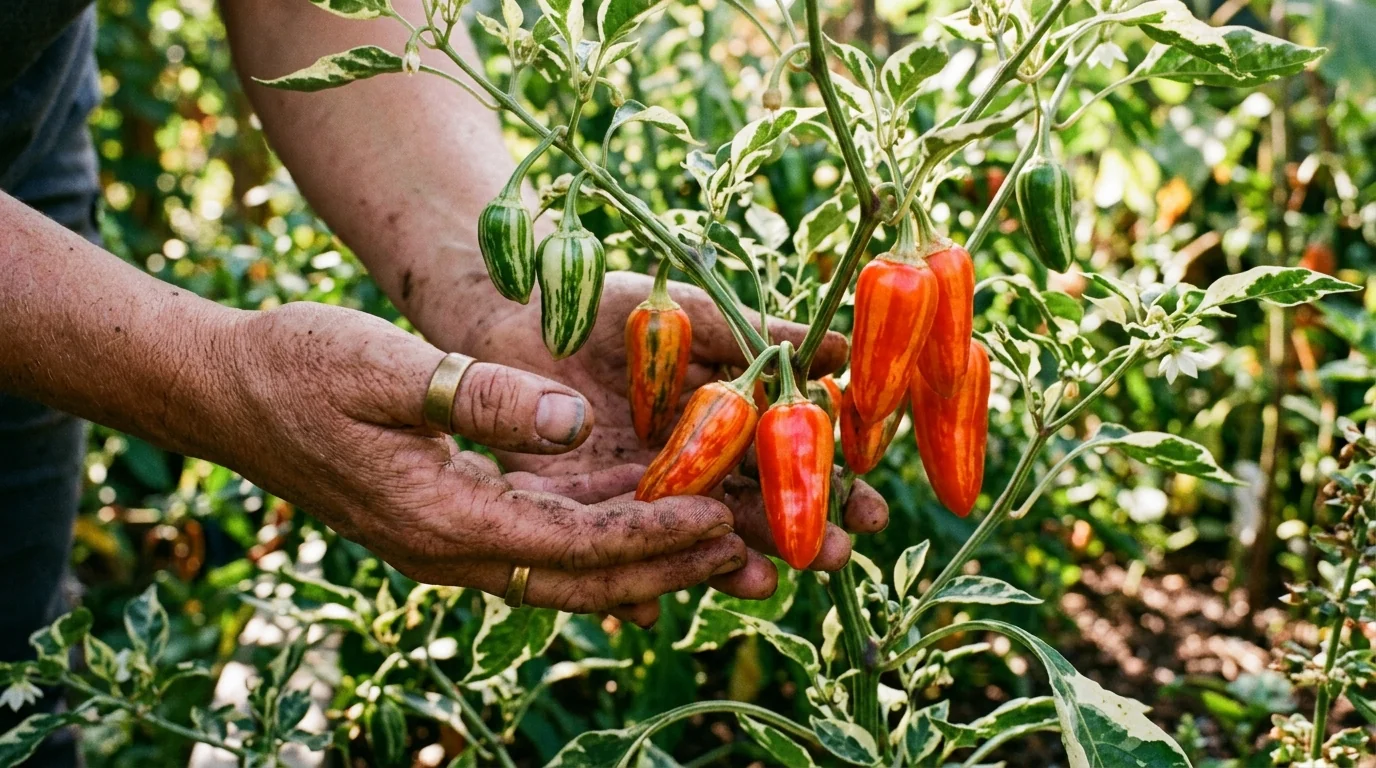
- Standout Variety: Fish Pepper and Molokhia (Egyptian Spinach).
- Certifications: Open-Pollinated, Community-Grown, Non-GMO.
True Love Seeds is an artisan seed company based in Philadelphia that works with a network of over 50 urban and rural farms. Their catalog is organized around ancestral foodways, highlighting African diaspora, Indigenous, and immigrant culinary histories. Half of the packet cost is returned directly to the small-scale community growers who produced the seed. Each packet features custom hand-drawn artwork, along with cultural history, harvesting tips, and seed-saving guides.
- Direct-profit-sharing model supporting small urban and community farmers.
- Rare cultural varieties preserved with their cultural history intact.
- High genetic purity from small-batch, open-pollinated hand-harvested lots.
- Small supply runs result in mid-season sellouts on high-demand items.
- Higher cost per seed compared to commercial volume companies.
14. Floret Flower
- Official Website: floretflowers.com
- Price Range: $5.95 – $7.50 per packet.
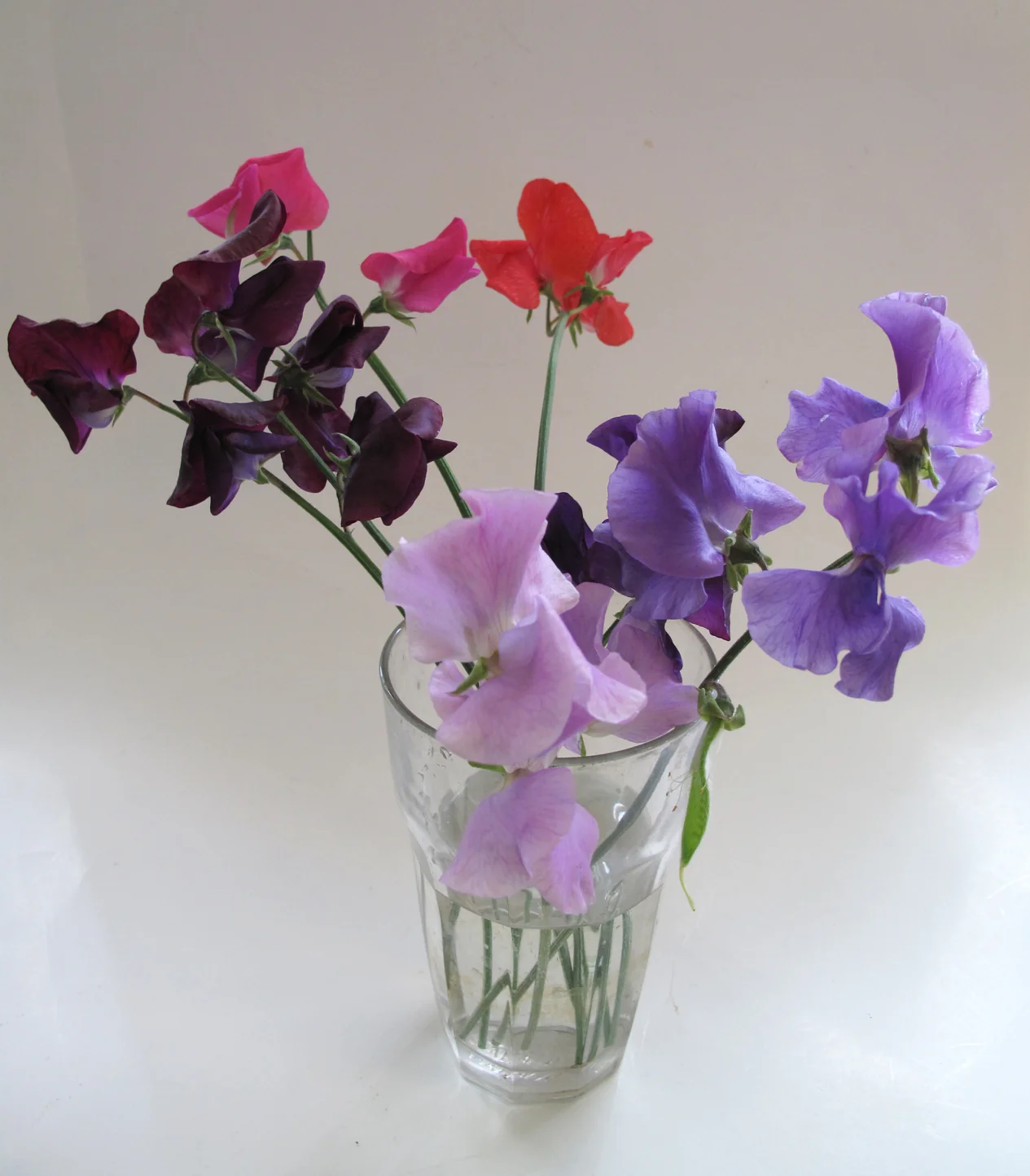
- Standout Variety: Floret Original Sweet Peas and Little Bronze Bird Zinnia.
- Certifications: Farm-Bred, Untreated, Non-GMO.
Led by Erin Benzakein in Washington’s Skagit Valley, Floret Flower transformed the home cut-flower industry. While many seed houses treat flowers as a secondary category behind vegetables, Floret’s entire operation focuses on sweet peas, dahlias, celosia, zinnias, and specialty annuals bred specifically for long stem length, subtle coloration, and vase longevity. Their signature breeding program introduces custom color ways—muted dusty roses, vintage mauves, and antique apricots—that are difficult to source elsewhere. The seed packets are foil-lined and accompanied by detailed growing guides.
- Premium color curation bred specifically for floral design and cutting.
- High-germination lots with clear seed-starting specifications.
- Durable, moisture-barrier packaging.
- Expensive price per packet.
- Annual seed releases sell out within hours of launch; requires advance planning.
15. Select Seeds
- Official Website: selectseeds.com
- Price Range: $3.99 – $5.29 per packet.
- Standout Variety: Cupani Sweet Pea and Nicotiana alata (Jasmine Tobacco).
- Certifications: Safe Seed Pledge, Untreated Seeds.
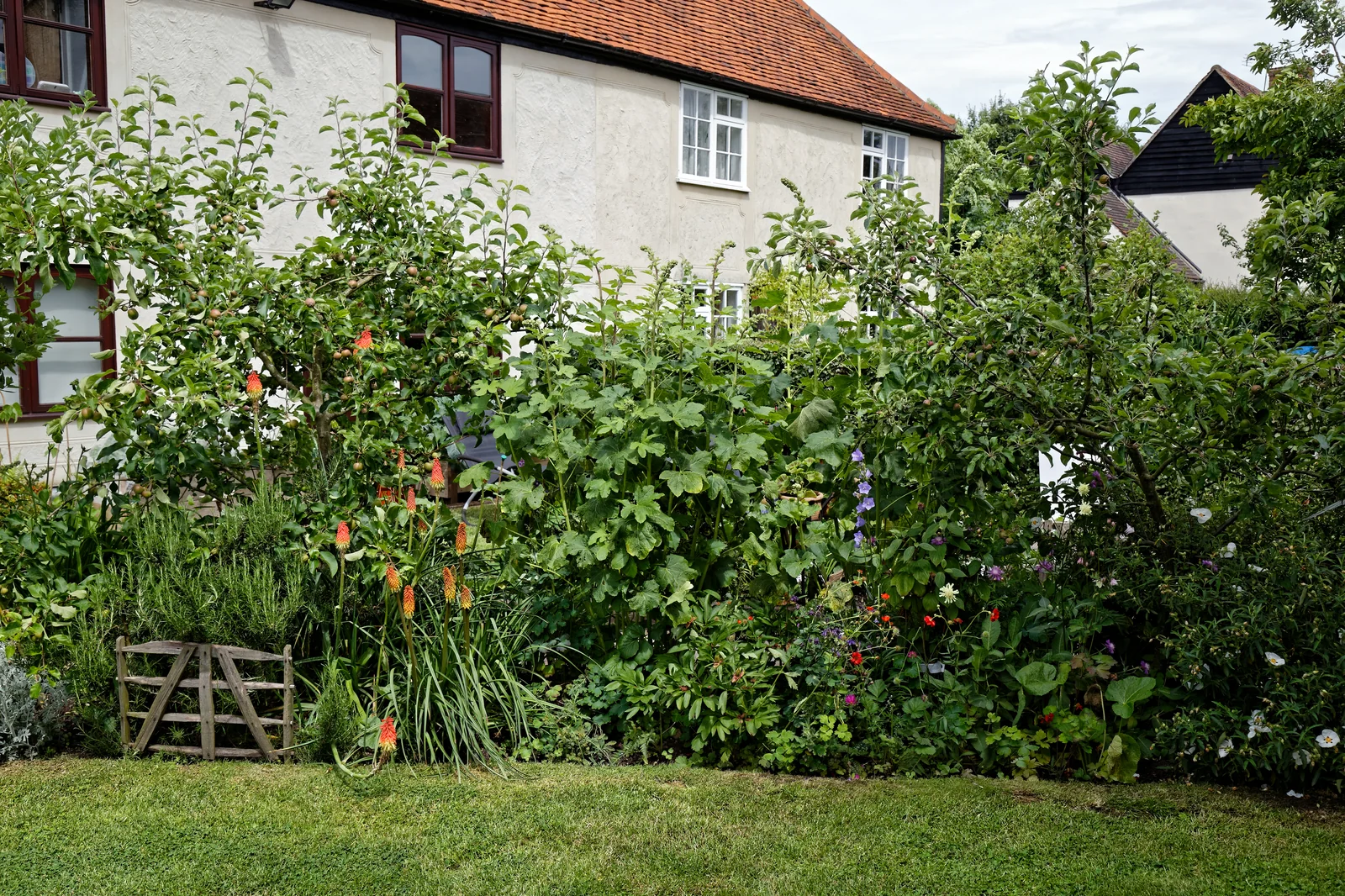
Based in Union, Connecticut, Select Seeds has curated antique flower varieties and heritage perennials since 1987. If you are looking to design a traditional cottage garden or prioritize pollinator nectar plants over modern compact bedding annuals, their catalog is an exceptional resource. They focus heavily on fragrance—a trait modern commercial breeders often sacrifice in favor of compact shipping size. Their heirloom sweet peas, night-scented stocks, and classic climbing annuals fill a garden with evening perfume while supporting native bees and hummingbirds.
- Exceptional selection of antique, fragrant, and pollinator-heavy flower varieties.
- Reliable germination testing on difficult-to-start perennial seeds.
- Great resource for traditional English cottage garden plants.
- Small-batch flower seed counts can be modest.
- Catalog organization can feel dated compared to modern boutique websites.
4 Online Seed Buying Scams and Red Flags to Avoid
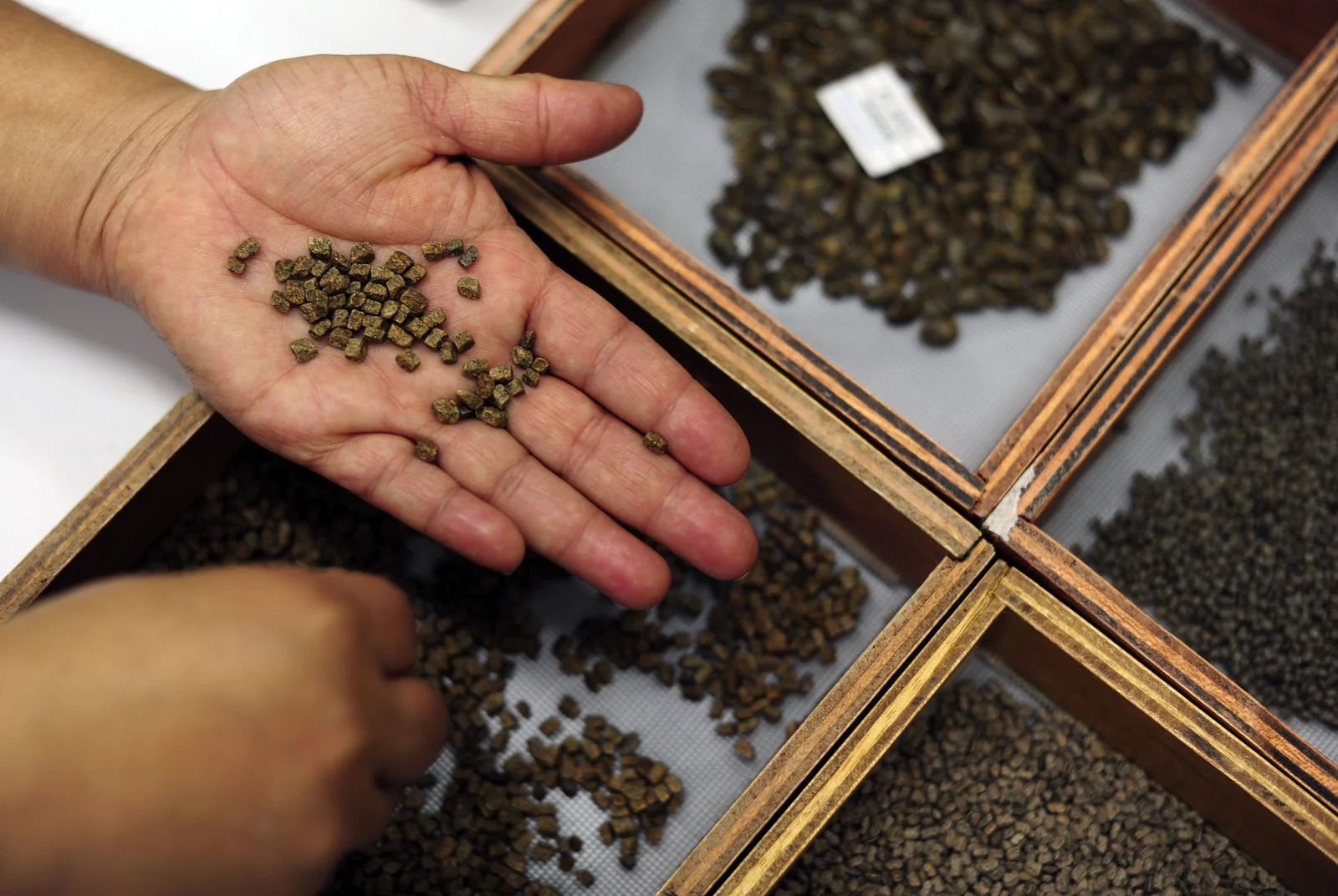
Buying seeds on generic third-party e-commerce marketplaces (eBay, Temu, and unauthorized pop-up storefronts) carries real risks. Protect your garden from these four common scams:
If you see images of electric-blue strawberries, rainbow roses, black marigolds with neon edges, or glowing fluorescent tomatoes, do not buy them. These plants do not exist in nature. You will receive an envelope of ordinary birdseed, weeds, or dead chaff.
Unverified sellers often buy commercial leftover seeds in bulk from past agricultural seasons, split them into unbranded ziplock baggies, and sell them as fresh heirlooms. These seeds often fail germination tests due to poor temperature and humidity control during storage.
Under the Federal Seed Act (7 U.S.C. 1551), any packet sold commercially must display the variety name, lot number, net weight or seed count, and the tested germination percentage along with the test date. If your seed envelope arrives with just a handwritten label and no lot tracking, the seller is operating outside federal quality standards.
Ordering seeds directly from overseas vendors without USDA-APHIS phytosanitary inspection certificates risks introducing destructive agricultural pests or noxious, invasive weeds into your home soil. Always buy from domestic seed suppliers that adhere to state and federal agricultural inspection laws.
Frequently Asked Questions
The Bottom Line: Where Should You Spend Your Money?
Finding the right seed supplier comes down to matching your garden goals and microclimate to the vendor’s specialty:
- If you want a dependable vegetable garden with high yields and disease resistance: Johnny’s Selected Seeds (johnnyseeds.com).
- If you are a beginner, container gardener, or value clear instructions: Botanical Interests (botanicalinterests.com).
- If you want to grow 25 different heirloom varieties on a tight budget: MIgardener (migardener.com).
- If you want rare, unique vegetables with unmatched culinary flavor: Row 7 Seed Company (row7seeds.com) or Baker Creek (rareseeds.com).
- If you need Asian specialty vegetables in foil-sealed freshness: Kitazawa Seed Co. / True Leaf Market (trueleafmarket.com).
- If you garden in the hot South or the cold North: Buy from regional specialists like Southern Exposure (southernexposure.com) or Fedco (fedcoseeds.com).