⚡ Quick Summary: Why Grow Chijimisai and Mizuna
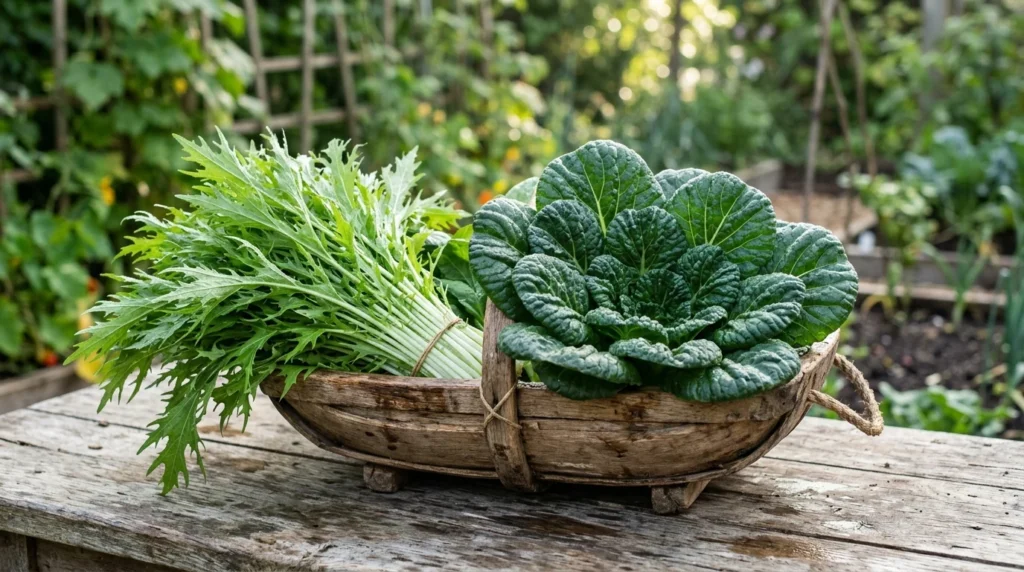
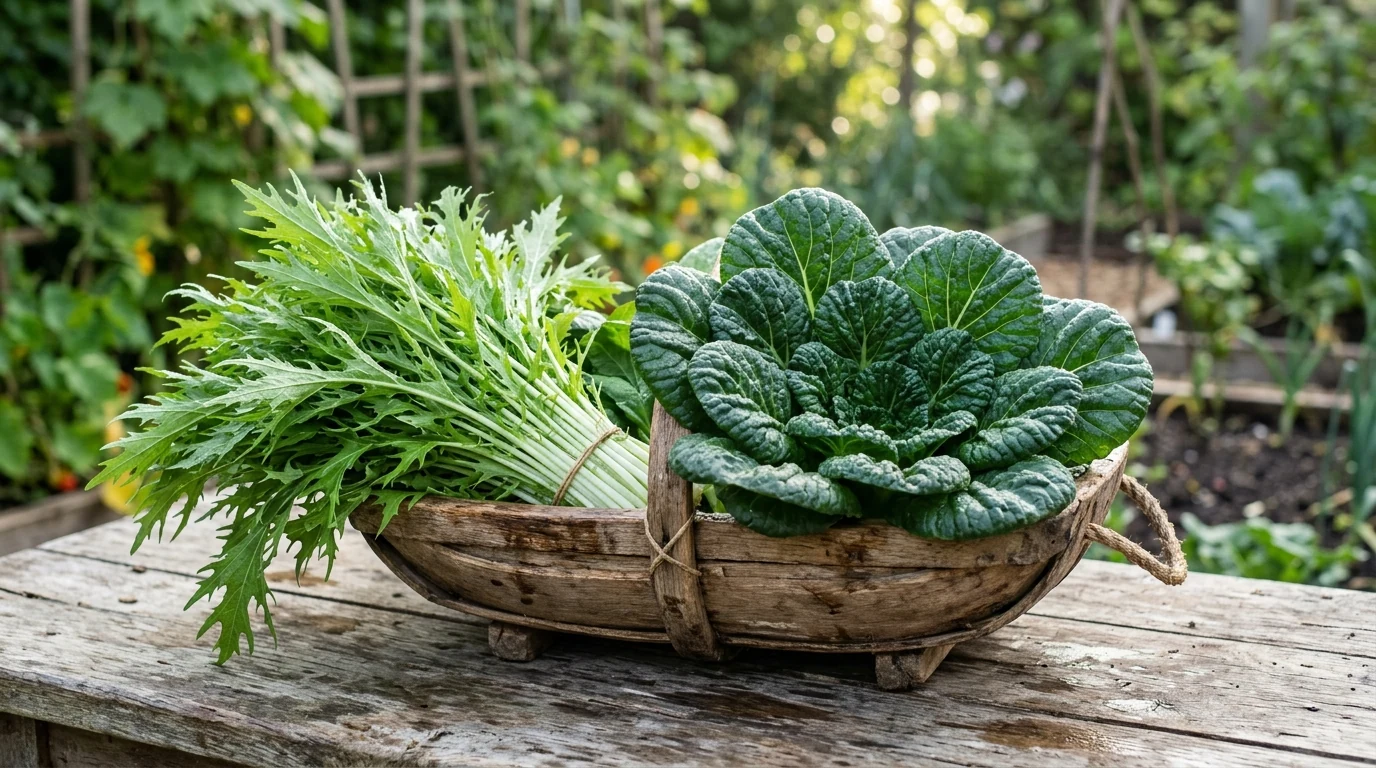
Chijimisai and Mizuna represent two of the most resilient, high-yielding Japanese brassicas you can plant in a home garden or indoor hydroponic setup. Mizuna (Brassica rapa var. nipposinica) is an upright, feathery green with a mild peppery mustard crunch, maturing in 20 days for baby salad leaves and 40 days for full heads. Chijimisai is a specialized cross between Tatsoi and Komatsuna (Japanese Mustard Spinach), forming a compact, ground-hugging rosette of heavily savoyed, glossy dark green leaves packed with rich umami flavor.
Horticulturist Takeaway: Both greens thrive in cool spring and autumn weather, survive sub-freezing frosts down to 15°F to 20°F (-9°C to -7°C), and sweeten noticeably after freezing weather due to cellular glucose accumulation. Chijimisai also demonstrates exceptional heat tolerance, holding its vegetative rosette in summer heat where traditional spinach and lettuce instantly bolt to seed.
🔬 Sophia Reed’s Bench Notes & Field Disclosure
On my testing benches at Hydroponic Raise, I trial dozens of heirloom and specialty greens every season. Many gardeners struggle with spinach turning into yellow slime in wet spring soil or bolting the second afternoon temperatures touch 75°F. Chijimisai and Mizuna completely eliminate this frustration. In our outdoor raised beds and indoor nutrient film technique (NFT) hydroponic channels, these two greens provide continuous cut-and-come-again harvests across ten months of the year. If you are also starting crops from scratch, explore our detailed guide on how to start a vegetable garden from seed.
Botanical Heritage and Plant Morphology
To grow these greens successfully, you must understand their botanical origins. Both plants belong to the Brassicaceae (mustard) family, specifically falling under the polymorphic species Brassica rapa. However, their genetic backgrounds give them distinct growth habits, leaf textures, and culinary applications.
Chijimisai: The Tatsoi and Komatsuna Hybrid
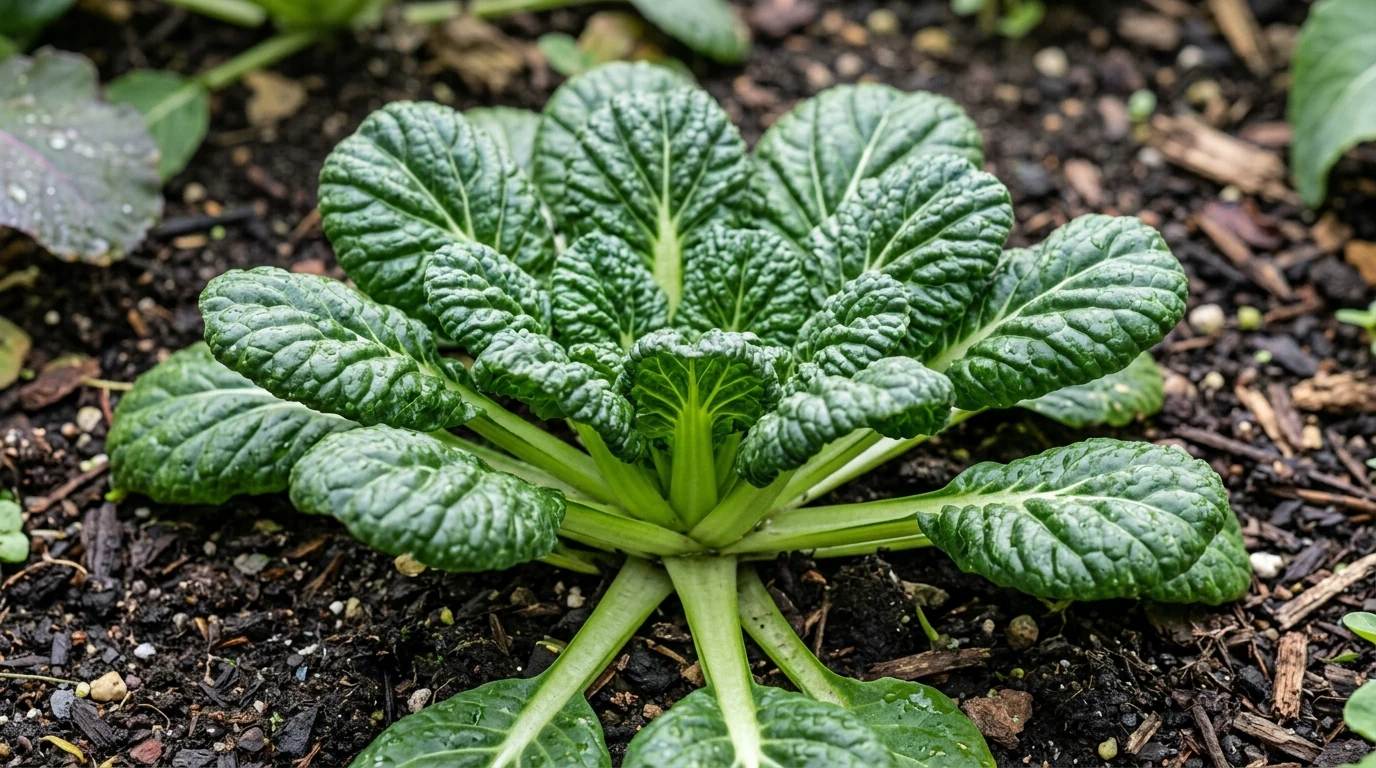
Chijimisai is a relatively modern Japanese hybrid green developed by crossing Tatsoi (Brassica rapa subsp. narinosa) with Komatsuna (Brassica rapa var. perviridis), commonly known as Japanese mustard spinach. Its Japanese name tells you everything about its visual appearance: ‘Chijimi’ translates to crumpled, contracted, or wrinkled, while ‘sai’ means vegetable or green. It is literally the ‘wrinkled green’.
From its Tatsoi parent, Chijimisai inherits a prostrate, ground-hugging rosette structure and deeply savoyed, spoon-shaped leaves that cup inward like small ladles. In cold weather, this rosette flattens against the soil surface to capture radiant ground warmth. From its Komatsuna parent, it inherits thick, juicy, succulent leaf stems, high heat resilience, and a rich, sweet umami flavor profile that lacks the sharp sulfurous bite found in wild mustards. The foliage is exceptionally dark green, indicating dense concentrations of chlorophyll, beta-carotene, and lutein.
Mizuna: The Ancient Kyoto Water Green
Mizuna (Brassica rapa var. nipposinica or var. japonica) has been cultivated in the Kansai region of Japan, particularly around Kyoto, since the Edo period. In Japanese, ‘mizu’ means water and ‘na’ means green. It was traditionally planted along the moist alluvial soil borders of shallow irrigation canals and water channels.
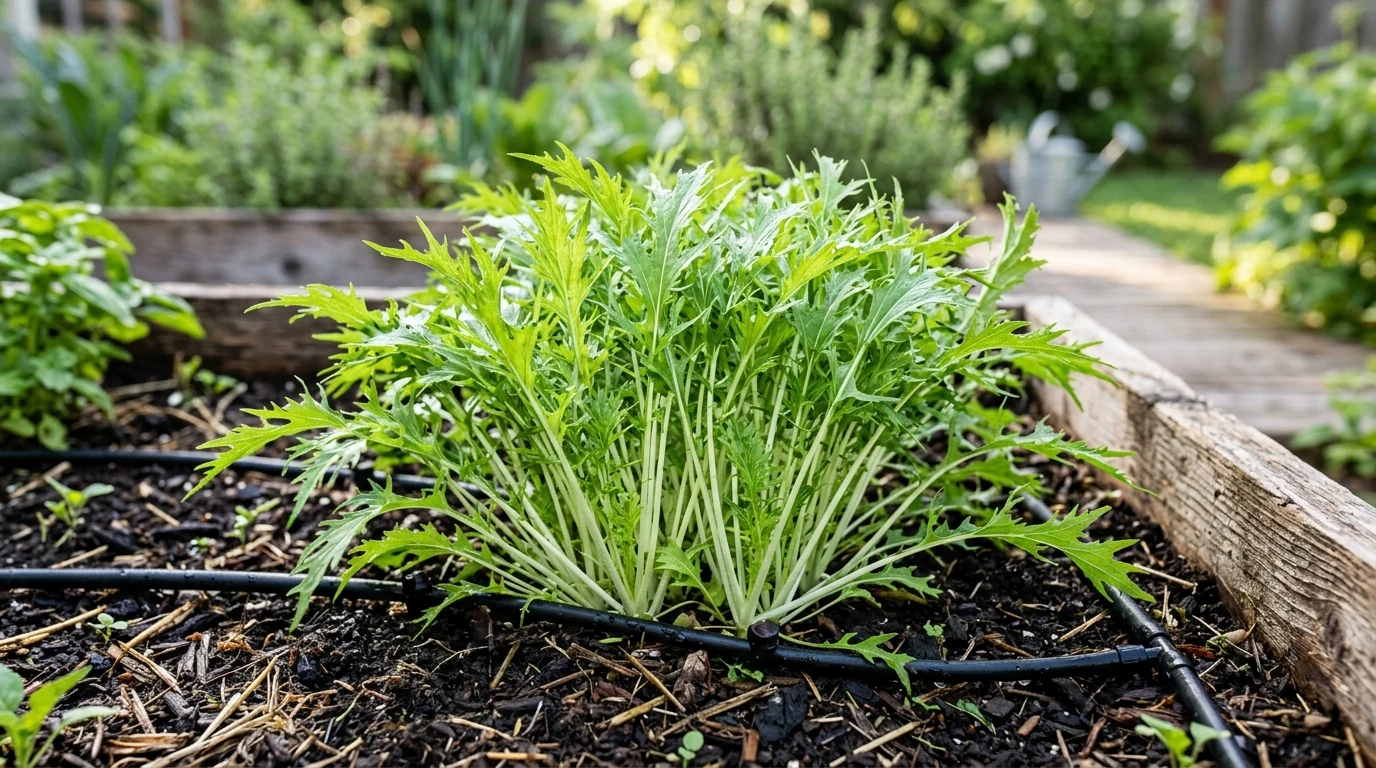
Unlike Chijimisai, Mizuna exhibits an upright, multi-stemmed tussock habit. A single mature plant produces over 100 slender, pale green, ribbed stems terminating in deeply dissected, feathery, jagged foliage. It resembles dandelion greens or wild arugula in silhouette, but possesses a far gentler, crisper texture with a clean, mild peppery mustard bite. Cultivars include classic green Mizuna, early-harvesting varieties like ‘Kyona’, and anthocyanin-rich purple selections such as ‘Red Kingdom’ and ‘Ruby Streaks’. For growers planning intensive bed layouts, our guide on raised beds crop planning outlines high-density spacing strategies.
Critical Science Competitors Miss: Cold Sweetening and Bolting Physiology
Most garden blogs offer generic planting instructions, advising you to ‘plant in cool weather’. That advice ignores the fascinating biochemical adaptations that make these Asian greens perform so well across severe weather extremes.
The Cold Sweetening Mechanism: Cellular Antifreeze
Both Chijimisai and Mizuna are remarkably frost-tolerant, but Chijimisai is an absolute winter powerhouse. When temperatures drop below 32°F (0°C), the plant initiates a cold-acclimation survival protocol. It accelerates the conversion of complex, insoluble starch polymers stored in its leaf tissue into simple, soluble monosaccharides and disaccharides, predominantly glucose, fructose, and sucrose.
🔬 Horticultural Lab Note: The Biochemistry of Frost Sweetening
In plant cellular biology, dissolved sugars lower the freezing point of intracellular water, acting as a natural biological antifreeze. This prevents ice crystals from puncturing cellular membranes and destroying vascular tissue.
For home growers and chefs, this chemical shift transforms the plant. Chijimisai harvested after three or four heavy frosts loses any residual mustard sharpness and develops an intensely sweet, nutty, concentrated umami flavor that rivals the finest winter spinach. In Zone 7 and Zone 8, Chijimisai routinely overwinters completely unprotected down to 15°F (-9°C).
Photoperiod vs. Thermoperiod: Why Asian Greens Bolt
Premature flowering (bolting) is the chief cause of failure for brassica growers. Bolting shifts the plant from vegetative leaf production to reproductive seed production. Once a flower stalk begins to elongate, leaf cell walls lignify, becoming tough, stringy, and bitterly pungent due to a surge in allyl isothiocyanates.
Bolting is controlled by two distinct environmental triggers: photoperiod (day length) and thermoperiod (temperature fluctuations):
- Photoperiod Bolting in Mizuna: Mizuna is a facultative long-day plant. When day lengths exceed 14 hours in late spring, flowering hormones (florigen) activate in the shoot apex. If long days coincide with ambient temperatures exceeding 80°F (27°C), Mizuna will bolt rapidly within 7 to 10 days.
- Heat Resistance in Chijimisai: Chijimisai inherits powerful bolting resistance from its Komatsuna parentage. Komatsuna is day-neutral and genetically adapted to hot, humid Asian summers. While extreme heat will eventually induce flowering, Chijimisai remains vegetative at temperatures up to 90°F (32°C) under partial shade, continuing to yield tender leaves weeks after spinach, tatsoi, and standard mustards have set seed.
Soil Preparation, Sowing, and Seasonal Spacing
Because Asian greens grow so rapidly, they require steady soil fertility and uninterrupted moisture. Stunting a young seedling through soil compaction or drought stress will trigger premature bolting before you ever get a full harvest.
Soil Chemistry and Preventing Calcium Tip Burn
Both greens perform best in loose, loamy soil with a pH between 6.2 and 6.8. Before planting, incorporate 2 to 3 inches of well-rotted compost into the top 6 inches of the bed. A balanced organic fertilizer with an N-P-K ratio of 5-4-3 or 4-4-4 supplies the steady nitrogen required for lush leaf expansion.
Brassicas are particularly vulnerable to physiological tip burn: browning and necrosis along the margins of young inner leaves. Tip burn is not caused by a lack of calcium in the soil; it is caused by poor calcium translocation during bursts of rapid growth. Because calcium moves strictly through transpiration water flow, inconsistent watering or humid, stagnant air prevents calcium from reaching expanding leaf tips. Maintaining steady soil moisture and ensuring good air circulation eliminates tip burn completely.
Sowing Windows: Spring vs. Autumn Planting
To maximize your harvest across the calendar year, plan for two distinct growing windows:
- Spring Window: Direct-seed outdoors 3 to 4 weeks before your average last spring frost date, as soon as the soil can be worked. Alternatively, start seeds indoors in 72-cell plug trays 4 weeks prior to transplanting. Spring crops produce rapid baby greens before early summer heat arrives.
- Autumn to Winter Window: This is the premier season for both greens. Sow seeds outdoors 6 to 8 weeks before your first expected autumn frost. Autumn crops benefit from warm soil during germination, followed by cooling autumn days that suppress pest activity and intensify sweetness.
Sowing Depth and Exact Spacing Requirements
Sow seeds 1/4 inch deep. Seeds germinate within 3 to 5 days when soil temperatures sit between 60°F and 70°F (15°C to 21°C).
- For Baby Salad Greens: Thin seedlings to 3 to 4 inches apart in rows 10 inches apart. You can harvest baby leaves with scissors within 20 to 25 days.
- For Full Mature Heads: Thin Mizuna to 8 to 10 inches apart. Thin Chijimisai to 10 to 12 inches apart. Because Chijimisai forms an expansive, flattened rosette that can span 12 to 14 inches in diameter, crowded spacing forces the leaves upward, ruining its characteristic open bowl shape and reducing airflow.
Hydroponic and Controlled Environment Agriculture (CEA) Protocol
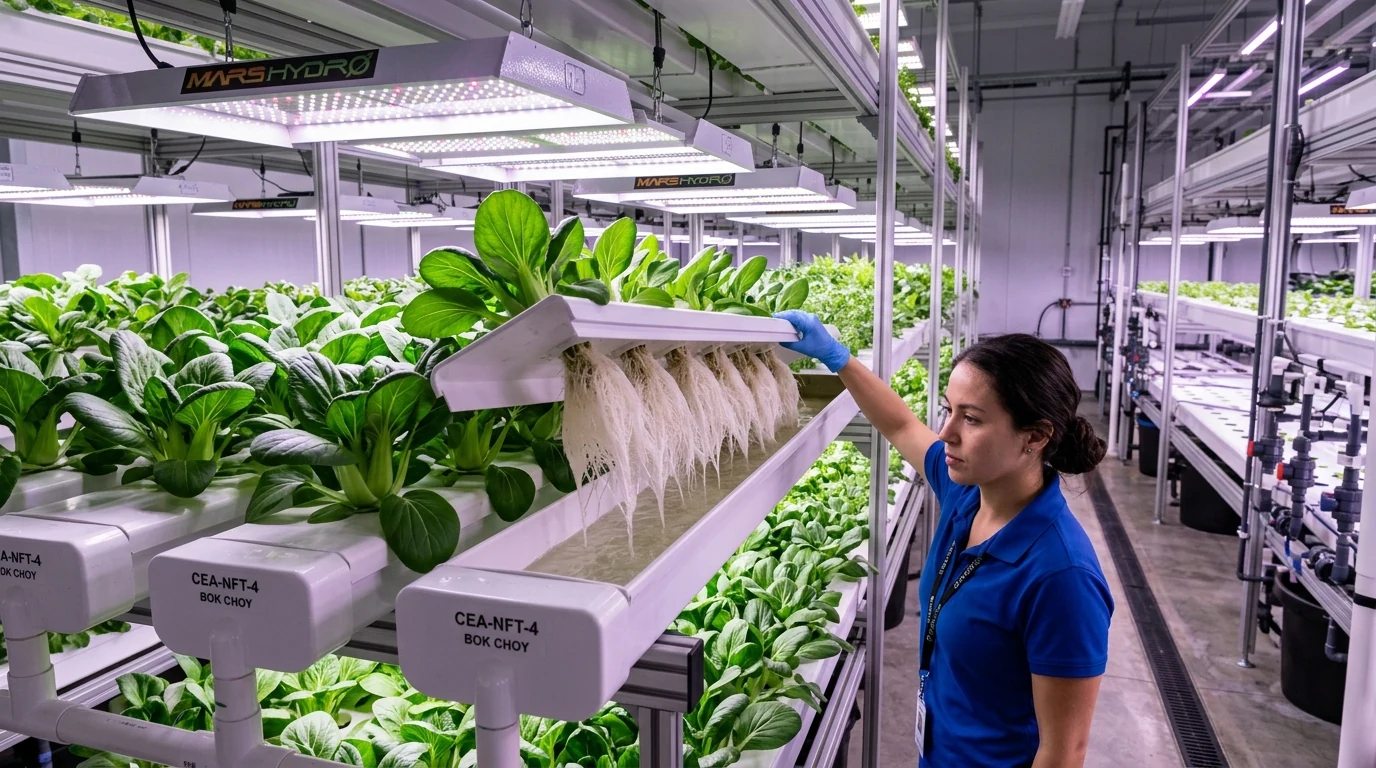
While traditional garden publications ignore hydroponics, Asian greens are among the most profitable, rapid-cycling crops you can cultivate in indoor systems. At Hydroponic Raise, we grow Mizuna and Chijimisai year-round in Nutrient Film Technique (NFT) channels and Deep Water Culture (DWC) tanks. If you are designing an indoor garden facility or tent, check out our comprehensive walkthrough on indoor hydroponics for beginners.
Hydroponic System Selection
- Nutrient Film Technique (NFT): Ideal for commercial growers and home hobbyists with vertical racks. Mizuna’s fibrous root systems thrive in 4-inch wide channels with a nutrient slope of 1 to 2 percent. Chijimisai requires wider plant spacing (8 inches on center) to accommodate its broad rosette.
- Deep Water Culture (DWC): Highly forgiving for beginners. Plants seated in 2-inch net cups filled with clay pebbles or rockwool float on raft boards over aerated nutrient solution. Root zones remain well-oxygenated, preventing pythium root rot. Compare setup economics in our review of tested indoor garden systems.
- Kratky Method: Passive non-circulating mason jars or shallow totes work well for cut-and-come-again harvesting on kitchen counters, provided nutrient levels drop gradually to create an expanding air zone for root respiration.
Target Water Parameters and Light Requirements
Maintain these precise parameters in your indoor reservoir to prevent nutrient burn or deficiencies:
- pH Range: Maintain between 6.0 and 6.5. A pH drifting above 6.8 locks out iron and manganese, causing interveinal chlorosis (yellowing between leaf veins).
- Electrical Conductivity (EC) and PPM: For baby greens, target an Electrical Conductivity (EC) of 1.0 to 1.4 mS/cm (500 to 700 PPM on the 500 scale). For mature heads, maintain 1.4 to 1.8 mS/cm (700 to 900 PPM). Do not exceed 2.0 mS/cm, as brassica greens absorb salts rapidly and develop bitter off-flavors under excessive osmotic pressure.
- Daily Light Integral (DLI): Provide 14 to 17 mol/m²/day using full-spectrum LED fixtures. A photoperiod of 14 hours of light at 250 to 300 µmol/m²/s PPFD produces rapid leaf expansion without triggering photoperiod bolting.
- Water Reservoir Temperature: Keep water temperatures between 64°F and 68°F (18°C to 20°C). Warm reservoir water holding low dissolved oxygen invites bacterial root rot. For broader foundational concepts, read our guide on indoor hydroponic gardening.
Organic Pest Management and Disease Control
Brassica crops attract a well-known suite of garden pests. Fortunately, both Chijimisai and Mizuna exhibit distinct natural defenses that make organic pest management straightforward.
Flea Beetles (Phyllotreta cruciferae)
Flea beetles are tiny, jumping black beetles that chew hundreds of tiny ‘shot-holes’ through tender foliage, particularly in early spring.
🔬 Field Observation: Chijimisai’s Natural Flea Beetle Defense
During our side-by-side field trials, we documented a striking pattern: flea beetles devastated smooth-leaved Bok Choy, Radishes, and Tatsoi, but largely bypassed neighboring Chijimisai plants.
Chijimisai possesses a thicker waxy leaf cuticle and a deeply corrugated, savoyed surface texture that flea beetles find difficult to graze on. Additionally, its Komatsuna parentage produces a distinct glucosinolate profile that deters early-stage feeding. While Mizuna remains moderately susceptible to flea beetles due to its tender leaf margins, Chijimisai provides built-in mechanical pest resistance.
For complete flea beetle exclusion on spring Mizuna, install lightweight floating row covers (such as Agribon AG-19 or ProtekNet insect netting) immediately after seeding. Anchor the fabric edges securely with soil or landscape staples so beetles cannot crawl beneath.
Cabbage Loopers and Imported Cabbageworms
Green caterpillars hatched from white cabbage butterflies (Pieris rapae) and nocturnal moths (Trichoplusia ni) can rapidly skeletonize brassica leaves in mid-summer. Inspect the undersides of leaves weekly for tiny yellowish eggs. At the first sign of caterpillars or chewing damage, apply Bacillus thuringiensis kurstaki (Bt) in the late afternoon. Bt is a naturally occurring soil bacterium that targets caterpillar digestive systems upon ingestion while leaving bees, ladybugs, and human consumers completely unharmed.
Slugs, Snails, and Downy Mildew
- Slugs and Snails: Chijimisai’s flat, ground-hugging winter rosette creates a moist microclimate that attracts slugs. Apply organic iron phosphate bait pellets (such as Sluggo) around the outer perimeter of your beds. Unlike toxic metaldehyde, iron phosphate breaks down naturally into soil nutrients.
- Downy Mildew: Downy mildew (Peronospora parasitica) appears as pale yellow angular patches on upper leaf surfaces matched by grayish mold underneath. Prevent it by watering at the base of the plant in the morning, avoiding overhead sprinklers, and thinning mature plants to promote strong cross-breeze airflow. Explore our field lessons on growing vegetables indoors to manage enclosed disease pressure.
Harvesting Strategies, Post-Harvest Cold Chain, and Culinary Art
How you harvest your greens dictates whether your planting is a one-time meal or a continuous source of fresh food for three months.
The Cut-and-Come-Again Harvesting Method
Both Chijimisai and Mizuna respond exceptionally well to cut-and-come-again harvesting. The secret lies in protecting the apical meristem (the central growing crown).
When plants reach 6 to 8 inches in height, use sharp, sanitized harvest shears to cut only the outer mature leaves, taking them 1.5 to 2 inches above the soil line. Never shear off the tiny, developing inner leaves at the center of the rosette. Harvested this way, a single planting will regenerate fresh foliage every 10 to 14 days, yielding 4 to 6 continuous harvests before the plant reaches natural senescence.
Full-Head Harvest
If you prefer mature, uniform heads for braising or market sales, allow Chijimisai to grow for 45 to 55 days until it forms a dense, heavy rosette spanning 10 to 12 inches across. Sever the plant at the soil line with a horizontal slice of an angled harvest knife. Trim any discolored outer wrapper leaves.
Post-Harvest Cold Chain and Storage
Brassica greens have a high surface-area-to-volume ratio, making them prone to rapid moisture loss and wilting after harvest. Harvest early in the morning when foliage is fully hydrated. Submerge freshly cut leaves in cold water (38°F to 42°F / 3°C to 5°C) for 5 minutes to remove field heat and restore cellular turgor. Spin the leaves dry in a salad spinner. Store in a perforated plastic bag or airtight glass container lined with a dry paper towel in your refrigerator crisper drawer at 34°F to 38°F. Properly chilled Chijimisai will remain crisp and firm for up to 14 days, easily outlasting delicate lettuce.
Culinary Comparisons: In the Kitchen
Knowing how to use each green in the kitchen unlocks their culinary value:
- Mizuna: Mizuna provides crispness, loft, and a clean peppery finish. Use it raw in mixed salad bowls, toss it into miso soups during the final 30 seconds of cooking, or fold it into traditional Japanese nabemono hot pots where its serrated leaves hold delicate broths.
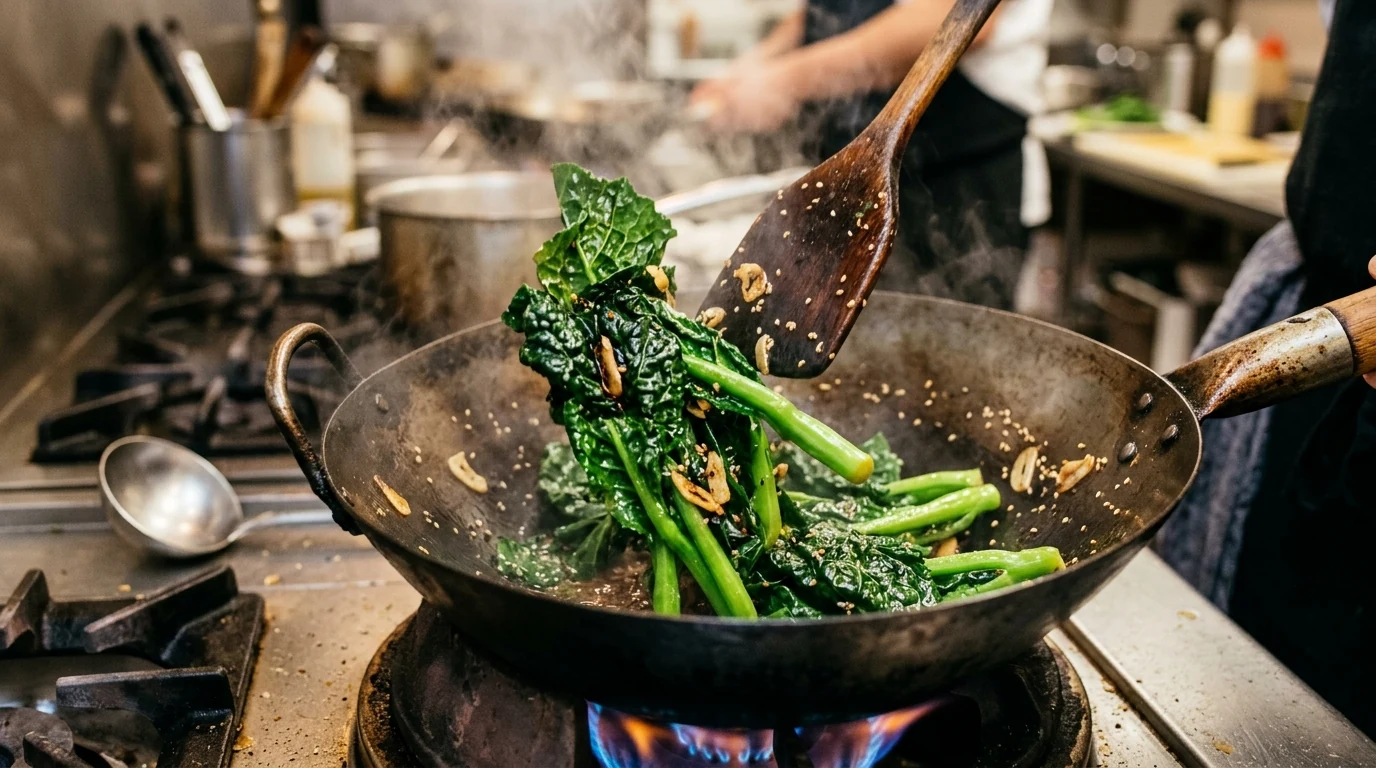
- Chijimisai: Chijimisai is the ultimate cooking green. While traditional spinach collapses into watery mush when exposed to heat, Chijimisai’s thick, savoyed leaves and succulent stems maintain structural body, chew, and texture. Sauté it with sesame oil, garlic, and soy sauce, fold it into egg scrambles, braise it with ginger and chili, or blanch and dress it with sweet sesame paste (Goma-ae). It delivers an intense, savory umami sweetness with zero oxalic acid bitterness.
Master Comparison Matrices and Growth Roadmaps
Table 1: Comprehensive Comparison of Asian Greens and Spinach
| Vegetable | Botanical Name | Maturity | Frost Hardiness | Heat Tolerance | Flavor Profile | Best Culinary Use |
|---|---|---|---|---|---|---|
| Chijimisai | B. rapa (Tatsoi x Komatsuna) | 45 to 55 Days | Down to 15°F (-9°C) | High (Resists Bolting) | Rich Umami, Sweet, Mild Mustard | Stir-fry, Braising, Steaming |
| Mizuna | B. rapa var. nipposinica | 35 to 45 Days | Down to 22°F (-5°C) | Moderate (Bolts in Heat) | Crisp, Mild Peppery Mustard | Salads, Soups, Nabemono Hot Pots |
| Tatsoi | B. rapa subsp. narinosa | 40 to 50 Days | Down to 18°F (-8°C) | Low to Moderate | Mild, Creamy, Cabbage-like | Baby Salads, Light Sauté |
| Komatsuna | B. rapa var. perviridis | 40 to 50 Days | Down to 20°F (-7°C) | Very High | Sweet, Juicy, Tender Mustard | Braising, Pickling, Stir-fry |
| Spinach | Spinacia oleracea | 40 to 50 Days | Down to 20°F (-7°C) | Very Low (Bolts Rapidly) | Earthy, Oxalic Bitterness | Raw Salads, Cooking (Reduces) |
Table 2: Seasonal Planting and Growth Milestone Roadmap
| Growing Stage | Mizuna Timeline | Chijimisai Timeline | Garden Management Actions |
|---|---|---|---|
| Germination | Days 3 to 5 | Days 4 to 6 | Keep soil moist; apply floating row cover immediately |
| Seedling / Thinning | Days 10 to 14 | Days 14 to 18 | Thin to final spacing; consume thinnings as micro-greens |
| Baby Leaf Harvest | Days 20 to 25 | Days 25 to 30 | Begin cut-and-come-again harvest of outer 3-inch leaves |
| Full Head Maturity | Days 35 to 45 | Days 45 to 55 | Harvest entire heads or continue outer leaf picking |
| Frost Acclimation | Weeks 8 to 12 | Weeks 8 to 16 | Frost triggers starch-to-sugar conversion; peak sweetness |
| Spring Bolting | Early Spring (Rapid) | Late Spring (Delayed) | Harvest remaining leaves; collect edible yellow flowering shoots |
Table 3: Diagnostic Troubleshooting Matrix
| Observed Symptom | Likely Cause | Contributing Factors | Corrective Horticultural Action |
|---|---|---|---|
| Tiny shot-holes through leaves | Flea Beetles (Phyllotreta) | Unprotected young spring brassicas | Install floating row covers (Agribon AG-19) immediately at seeding |
| Premature tall flower stalks | Bolting Trigger | Daylength >14h or temps >80°F | Harvest immediately; plant autumn crop; provide 30% shade cloth |
| Inner leaf edges brown and crispy | Calcium Tip Burn | Stagnant air, uneven soil moisture | Maintain consistent moisture; increase indoor airflow / ventilation |
| Pale yellowing between leaf veins | Iron / Nitrogen Deficiency | High soil pH (>7.2) or wet cold roots | Lower pH to 6.2-6.5; drench with chelated iron or fish emulsion |
| Leaves chewed to veins; dark droppings | Cabbage Loopers / Caterpillars | White cabbage butterflies laying eggs | Spray Bacillus thuringiensis kurstaki (Bt) in late afternoon |
| Slimy foliage decay near soil line | Slugs or Rhizoctonia Rot | Crowded spacing and wet night mulch | Thin plants for airflow; apply organic iron phosphate slug bait |
Frequently Asked Questions: 25 Common Queries Answered
01
What is Chijimisai green, and what does it taste like?
What is Chijimisai green, and what does it taste like?
Chijimisai is a specialized Japanese hybrid vegetable bred by crossing Tatsoi with Komatsuna (Japanese mustard spinach). It features thick, spoon-shaped, heavily crinkled dark green leaves growing in a flat rosette. It tastes mild, sweet, and nutty with a rich, savory umami depth and none of the sharp bitterness found in standard mustard greens. Cooking enhances its sweetness and tender, velvety texture.
02
How is Chijimisai different from Tatsoi and Komatsuna?
How is Chijimisai different from Tatsoi and Komatsuna?
While Tatsoi forms small, flat rosettes with thin leaves and Komatsuna grows tall, upright, smooth leaves, Chijimisai combines the best traits of both. It inherits Tatsoi’s attractive savoyed rosette and extreme frost hardiness, while gaining Komatsuna’s thick, juicy stems, heat tolerance, and sweet, non-pungent flavor. Chijimisai is also significantly more bolt-resistant than pure Tatsoi in warm weather.
03
What is Mizuna, and what does it taste like?
What is Mizuna, and what does it taste like?
Mizuna is a traditional Japanese heirloom green with deeply serrated, feathery leaves and crisp, slender stems. It delivers a gentle, refreshing mustard bite with a light peppery finish that is much milder than arugula or mature curly mustard. Its crisp, watery crunch makes it a beloved ingredient in fresh salad mixes, stir-fries, and hot pots.
04
Are Chijimisai and Mizuna the same plant?
Are Chijimisai and Mizuna the same plant?
No. While both belong to the mustard family (Brassica rapa), they are different botanical varieties. Mizuna (Brassica rapa var. nipposinica) grows upright with delicate, deeply fringed leaves, while Chijimisai is a hybrid cross (Tatsoi x Komatsuna) that forms a broad, flat rosette of dark, thick, rounded, crinkled leaves. Their growth habits, leaf textures, and culinary performances are entirely distinct.
05
How cold hardy is Chijimisai in winter?
How cold hardy is Chijimisai in winter?
Chijimisai is one of the most cold-hardy leafy greens in cultivation, comfortably surviving sustained temperatures down to 15°F to 20°F (-7°C to -9°C) in open garden beds. When protected under a simple frost blanket, low tunnel, or cold frame, it can easily survive winter temperatures dropping near 0°F (-18°C).
06
Can Mizuna survive frost and snow?
Can Mizuna survive frost and snow?
Yes, Mizuna readily tolerates light to moderate frosts down to approximately 22°F to 25°F (-4°C to -5°C). While severe snow accumulation can crush its delicate upright stems, cold-acclimated plants will bounce back from the root crown once temperatures rise above freezing, especially under a protective row cover.
07
Why did my Mizuna or Chijimisai bolt and flower so early?
Why did my Mizuna or Chijimisai bolt and flower so early?
Bolting is triggered by long daylight hours (exceeding 14 hours in late spring) combined with warm daytime temperatures above 80°F (27°C). Drought stress or transplant shock will also shock seedlings into flowering prematurely. To prevent early bolting, plant in early autumn, maintain steady soil moisture, and use 30 percent shade cloth during hot spells.
08
Does frost make Chijimisai and Mizuna taste sweeter?
Does frost make Chijimisai and Mizuna taste sweeter?
Yes, frost dramatically improves the flavor of both greens. In response to sub-freezing temperatures, the plants produce simple sugars (glucose and sucrose) that function as natural cellular antifreeze. This biochemical shift reduces mustard pungency and imparts a noticeable sweetness and rich umami depth to the leaves.
09
How do you harvest Chijimisai using the cut-and-come-again method?
How do you harvest Chijimisai using the cut-and-come-again method?
Use clean, sharp harvest shears to snip off only the largest outer leaves about 1.5 inches above the base of the plant. Always leave the small inner rosette leaves and central growing tip untouched. Harvested this way, the plant will push out new leaves from the center, allowing you to harvest continuously every 10 to 14 days.
10
How many times can you harvest Mizuna from a single plant?
How many times can you harvest Mizuna from a single plant?
Under optimal cool-season conditions, a single Mizuna plant can be harvested 4 to 6 times using the cut-and-come-again technique. Cutting the upright stems roughly 2 inches above the soil line allows the crown to regenerate a full crop of tender foliage within two to three weeks.
11
Is Chijimisai a good substitute for spinach?
Is Chijimisai a good substitute for spinach?
Chijimisai is superior to spinach in many home gardens. It delivers a similar dark green color, tender chew, and mild flavor, but unlike spinach, it does not bolt at the first sign of warm weather, contains lower levels of tooth-gritty oxalic acid, and does not collapse into watery slime when heated or sautéed.
12
Can you eat Chijimisai and Mizuna raw in salads?
Can you eat Chijimisai and Mizuna raw in salads?
Both greens can be eaten raw. Young Mizuna leaves are a premier salad ingredient, adding loft, crisp texture, and mild peppery flavor to greens mixes. Young Chijimisai leaves harvested at the baby stage (20 to 25 days) are tender and nutty in salads, while older mature leaves are typically preferred cooked.
13
How do you cook Chijimisai so it doesn’t get soggy?
How do you cook Chijimisai so it doesn’t get soggy?
Cook Chijimisai quickly over high heat. Sauté it in a smoking-hot skillet or wok with oil and garlic for only 2 to 3 minutes until the dark green leaves wilt slightly while the stems retain their crisp crunch. Avoid boiling or over-steaming, which leaches nutrients and dulls its vibrant emerald color.
14
What are the best companion plants for Mizuna and Chijimisai?
What are the best companion plants for Mizuna and Chijimisai?
Excellent companion plants include scallions, garlic, and onions, which emit pungent sulfur aromas that deter flea beetles and aphids. Radishes can serve as an effective trap crop for flea beetles, while cool-season companions like cilantro, dill, and sweet alyssum attract beneficial hoverflies and parasitic wasps that control caterpillars.
15
How do you protect Asian greens from flea beetles without chemicals?
How do you protect Asian greens from flea beetles without chemicals?
The most reliable organic method is installing lightweight insect mesh or floating row covers (such as Agribon AG-19) over your garden beds immediately after seeding. Anchor the edges tightly with soil or pins. Companion planting with alliums and spraying neem oil or insecticidal soap also provides natural deterrence.
16
Can you grow Chijimisai and Mizuna in containers or window boxes?
Can you grow Chijimisai and Mizuna in containers or window boxes?
Both greens thrive in containers. Use pots or window boxes at least 6 to 8 inches deep with drainage holes. Space Mizuna plants 6 inches apart and Chijimisai 8 inches apart. Containers warm up faster in early spring and allow you to move the plants into shade during hot summer spells.
17
What is the ideal spacing when planting Chijimisai and Mizuna?
What is the ideal spacing when planting Chijimisai and Mizuna?
For mature heads, space Mizuna 8 to 10 inches apart in rows 12 inches apart. Space Chijimisai 10 to 12 inches apart in rows 14 inches apart to give its wide, ground-hugging rosette room to expand. For continuous baby salad greens, seeds can be direct-sown in dense bands and thinned to 2 to 3 inches apart.
18
How do you grow Chijimisai and Mizuna hydroponically?
How do you grow Chijimisai and Mizuna hydroponically?
Both greens excel in Nutrient Film Technique (NFT) and Deep Water Culture (DWC) systems. Start seeds in rockwool plugs or rapid rooters, transfer to 2-inch net cups with clay pebbles, and maintain an EC of 1.2 to 1.6 mS/cm and a pH of 6.0 to 6.4. Plants produce baby greens in 21 days and mature heads in 35 to 40 days.
19
What are the optimal pH and EC levels for hydroponic Asian greens?
What are the optimal pH and EC levels for hydroponic Asian greens?
Maintain a solution pH between 6.0 and 6.5 (6.2 is ideal) to ensure optimal uptake of nitrogen, phosphorus, and micronutrients like iron. Keep Electrical Conductivity (EC) between 1.2 and 1.8 mS/cm (600 to 900 PPM). Avoid running EC above 2.0 mS/cm, which causes salt stress and bitter leaf flavors.
20
Why are the inner leaf edges of my Asian greens turning brown (tip burn)?
Why are the inner leaf edges of my Asian greens turning brown (tip burn)?
Tip burn is caused by a localized calcium deficiency in rapidly expanding leaf tissue, almost always brought on by uneven watering, high humidity, or stagnant airflow that inhibits normal plant transpiration. Ensure consistent soil moisture and provide good garden spacing or gentle fan ventilation indoors to prevent it.
21
What is the difference between green Mizuna and red or purple Mizuna?
What is the difference between green Mizuna and red or purple Mizuna?
Red and purple Mizuna varieties (such as ‘Ruby Streaks’ or ‘Red Kingdom’) contain high concentrations of anthocyanin pigments, which give the leaves a striking violet or burgundy hue. They tend to have a slightly sharper, more mustard-forward bite and provide extra antioxidant nutrition, though they require full sun to develop deep coloration.
22
How fast does Mizuna grow from seed to harvest?
How fast does Mizuna grow from seed to harvest?
Mizuna is one of the fastest vegetables you can grow. Baby salad leaves are ready for harvest in just 20 to 25 days from seeding. Full mature heads with dense clusters of serrated stems are typically ready in 35 to 45 days under favorable cool-season conditions.
23
Can you grow Mizuna as indoor microgreens?
Can you grow Mizuna as indoor microgreens?
Yes, Mizuna makes a fantastic indoor microgreen. Sow seeds densely on moist seed-starting soil or hemp grow mats, cover for 2 to 3 days in darkness for germination, and expose to light for 7 to 10 days. The resulting microgreens provide a delicate, beautiful garnish with a vibrant, peppery crunch.
24
How do you store freshly harvested Chijimisai and Mizuna?
How do you store freshly harvested Chijimisai and Mizuna?
Cool leaves immediately after harvest by dipping them in cold water. Spin completely dry in a salad spinner. Place the dry leaves in a perforated produce bag or airtight glass container lined with a dry paper towel to absorb excess humidity. Stored at 34°F to 38°F in the crisper drawer, they remain fresh for 10 to 14 days.
25
Are Chijimisai flowers and flowering shoots edible?
Are Chijimisai flowers and flowering shoots edible?
Yes, if your plants begin to bolt in late spring, do not discard them. The emerging flower buds and tender flowering shoots, known as ‘choy sum’ or raab, are tender, sweet, and delicious. Sauté the budding stalks with olive oil and lemon or toss the edible bright yellow four-petaled flowers into fresh salads.