⚡ Quick Answer
Growing vegetables indoors is genuinely possible but requires honest expectations: you’ll need proper grow lights (natural window light isn’t enough for fruiting crops), 14–16 hours of light daily, and attention to watering and nutrients. Leafy greens and herbs are the easiest and most rewarding. Fruiting crops like tomatoes and peppers work but demand more space and light.
Introduction
Data from Purdue University Extension Horticulture shows that indoor vegetables require a minimum Daily Light Integral (DLI) of 14 to 16 mol/m²/day for productive vegetative growth, which standard window glass cannot consistently supply.
Most indoor vegetable gardening advice reads like a seed catalog commercial. The photos promise an endless grocery aisle flourishing across your kitchen counter: sprawling heirloom tomatoes, climbing cucumbers curling around curtain rods, and fat heads of cauliflower growing in coffee mugs. That fantasy is why so many beginners give up by week three, staring at a tray of yellowing, moldy seedlings that never stood a chance.
You do not need a greenhouse, a backyard, or special luck. You need the right seeds, a decent light, and the honesty to skip the crops that will just die on you.
Half of the vegetables you are thinking about growing indoors are a complete waste of your windowsill. A head of broccoli takes four months, drinks gallons of water, demands massive root space, and gives you a single side-dish crown. Meanwhile, an eight-inch tray of Asian greens or a shallow saucer of spicy radish microgreens will feed you fresh salad every single week with almost zero fuss.
This guide is the realistic blueprint for growing food inside your home. We cut through the influencer hype to cover what actually thrives indoors, what you should skip, how to set up your lighting and soil without wasting money, and how to fix the common problems that kill indoor crops before you ever harvest a leaf.
Key Takeaways
- Leafy greens and microgreens are the true winners: Salad greens, Asian brassicas, culinary herbs, and microgreens deliver the highest yield per square foot and harvest in 10 to 45 days.
- Fruiting vegetables are serious projects: Cucumbers, eggplants, and tomatoes demand large pots, intense lighting, and manual hand-pollination. They are rewarding secondary experiments, not starter crops.
- Never bring garden soil inside: Outdoor dirt compacts like concrete in containers and introduces fungus gnats. Always use a loose, sterile organic potting mix.
- Lighting is cheaper than you think: You do not need commercial horticultural rigs for greens. A standard full-spectrum LED shop light positioned three inches above the leaves works fine.
- Indoor food is about flavor, not grocery savings: Growing indoors will not slash your grocery bill, but it gives you crisp, pesticide-free, nutrient-dense varieties you cannot buy at a supermarket.
Why Grow Vegetables Indoors? The Real Benefits and the Honest Limits
Growing food inside your home has genuine, unmatched perks. You harvest crisp greens in the dead of January while snow banks pile against your window. You never have to battle flea beetles, rabbits, deer, or sudden hail storms. You pick leaves five minutes before dinner, keeping all of their crisp texture and volatile aromatics intact.
That said, let us establish the honest limits.
Indoor vegetable growing will not replace your local produce aisle, and it will not save you hundreds of dollars on groceries. Factoring in the cost of potting soil, containers, water, and modest electricity, growing a standard head of iceberg lettuce indoors costs roughly what you pay at the grocery store. additionally, slow-growing, space-hungry crops—such as corn, cabbage, standard melons, and winter squash—are completely impractical indoors. They demand huge root volumes and months of high-intensity light for a meager harvest.
The secret is focusing on high-value, fast-cycling crops. You grow indoor vegetables for freshness, food security, and access to unique cultivars—like peppery Japanese Mizuna, tender Chijimisai, or intensely spicy daikon microgreens—that turn limp or turn brown after two days in plastic grocery clamshells.
What You Can Actually Grow Indoors: The Honest Shortlist
The golden rule of indoor gardening is simple: Anything grown for its leaves or stems is easy; anything grown for its fruit or deep roots is work.
However, when properly containerized, root crops and alliums produce exceptional home harvests. Learn how in our tutorials on growing garlic in containers and growing potatoes in bags.
Leafy crops can be harvested at any growth stage. If a loose-leaf lettuce plant gets slightly leggy, you can still eat the leaf. If a tomato or cucumber plant suffers from poor light, it simply aborts its flowers and yields nothing.
Here is the realistic hierarchy of indoor crops, ranked by light demand and operational difficulty:
For an expanded directory of varieties, check our detailed catalog of vegetables that grow indoors to match specific seed strains to your space.
Setting Up Your Indoor Garden: Light, Containers, and Soil
You do not need an industrial grow tent. Setting up an indoor growing station comes down to three basic elements: light distance, container drainage, and the right potting medium.
1. Light: Photons Without the Hype
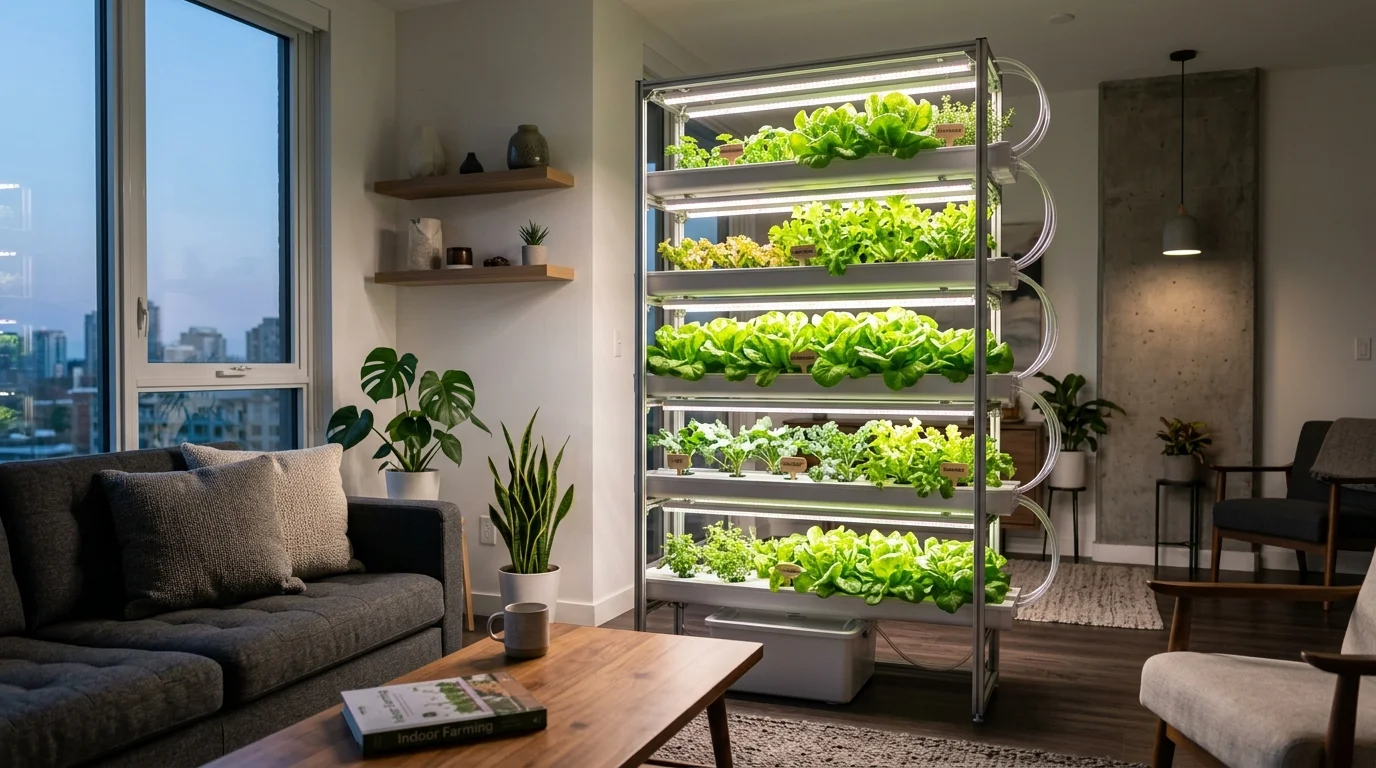
A sunny south-facing windowsill works well for leafy greens and herbs from April to September. In winter, however, short daylight hours and low solar angles drop indoor light below what plants need. Seedlings stretch, develop paper-thin pale stems, and collapse.
For leafy greens, herbs, and microgreens, you do not need expensive commercial horticultural panels. A standard four-foot, full-spectrum LED shop light (drawing 40W to 45W with a color temperature of 5000K to 6500K) produces all the blue and white light required for rapid leaf synthesis. Hang the fixture on an adjustable chain or S-hooks so you can raise it as the plants grow.
2. Containers: Drainage Over Style
Never plant vegetables in decorative glazed pots without drainage holes. Water pools in the bottom of the container, drives out all dissolved oxygen, and turns roots into rotten brown mush within a week. Look for containers with multiple base drainage holes, and pair them with deep saucers. For root crops like radishes and short carrots, depth matters far more than width: give them at least 8 to 10 inches of depth so the taproot expands smoothly without hitting the container base.
3. Soil: Why Garden Dirt Fails in Pots
Never dig up dirt from your backyard or raised bed to fill indoor pots. Garden soil is heavy with clay and silt. In an open garden bed, soil drains through continuous subterranean capillary networks. Confined inside a container, garden dirt compacts into a brick, seals off oxygen, and introduces dormant fungus gnat larvae, aphids, and damping-off fungal spores directly into your living room.
Use a sterile, light, soilless organic potting mix: 60% sphagnum peat moss or coconut coir, 30% perlite or pumice for aeration, and 10% finished organic worm castings for gentle, slow-release nutrition.
The 4-Step Indoor Setup Checklist
- Choose Your Real Estate: Find an outlet near a flat surface. A 36-inch wire utility rack or an uncluttered windowsill is plenty.
- Hang Your Light: Suspend your LED fixture so it sits exactly 2 to 4 inches above the top leaves. Plug it into a mechanical timer set to run 14 hours daily.
- Dampen Your Potting Mix: Pre-hydrate your potting mix in a bucket before filling containers. Dry peat moss repels water if you pour it straight into a pot.
- Sow Shallow: Most green seeds are tiny. Drop them onto the damp mix and dust a paper-thin eighth-inch of vermiculite over the top. Tamp it gently with your thumb.
Product Recommendation: A 4-pack of Barrina T8 LED grow light strips (4-foot, full-spectrum 42W) is the gold-standard budget workhorse for wire shelving racks. They link together with a single plug and provide clean, cool light without warming up your room.
Expert Tip: When you see seedlings stretching their stems with tiny pale leaves on top, do not buy a stronger light. Lower your existing light closer to the tray. Moving an LED from twelve inches down to three inches increases light intensity on the leaves by more than 400% through the inverse-square law.
Free Interactive Indoor Growing Tools
Take the guesswork out of your reservoir chemistry and crop schedule with our dedicated indoor growing tools:
The Easiest Crops to Start With: Leafy Greens and Asian Greens
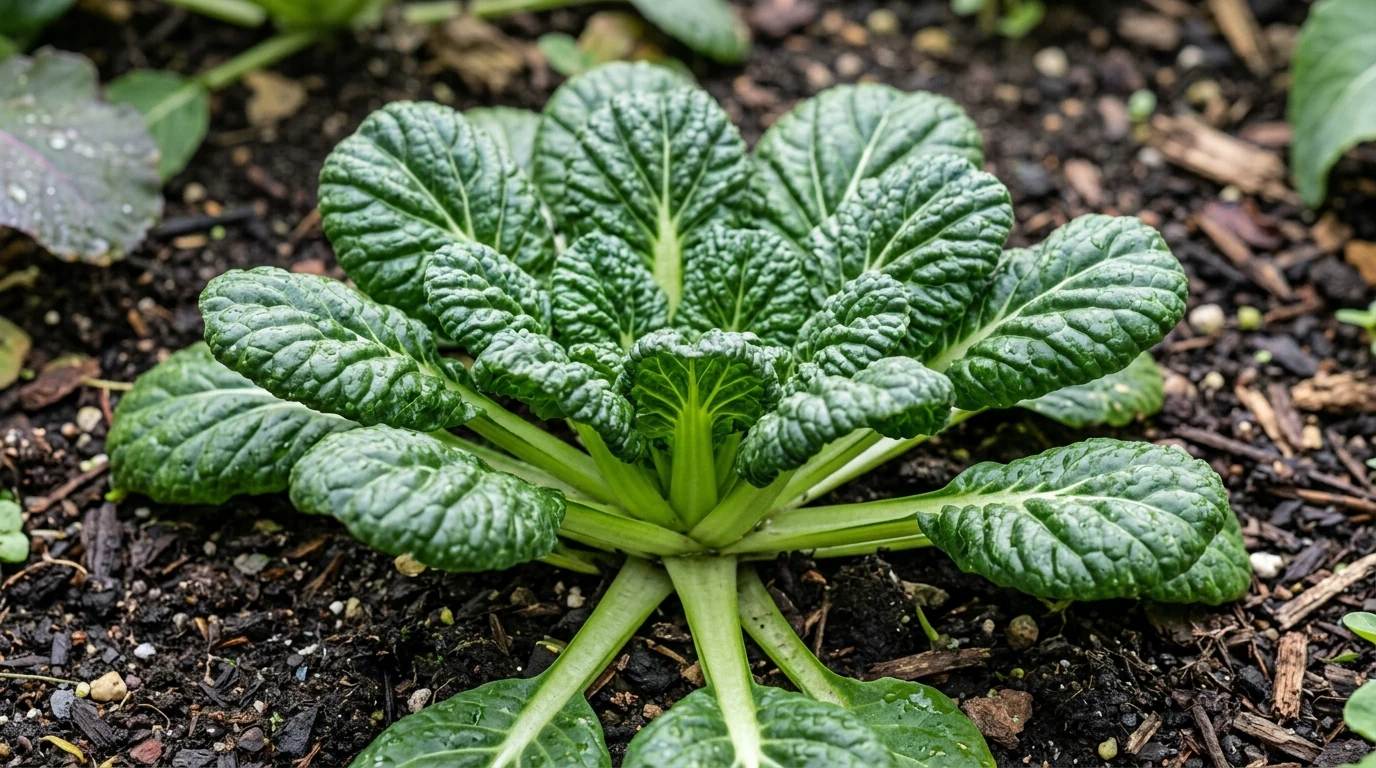
If you want guaranteed success in your first thirty days, skip the fruiting vegetables and plant greens. Leafy greens have shallow root systems, stay compact, and thrive in standard room temperatures between 60°F and 70°F.
Loose-leaf lettuces (like Black Seeded Simpson, Oakleaf, and Little Gem) germinate in 48 hours and grow quickly under modest light. Spinach and curly kale follow close behind, providing iron-rich leaves that handle cool apartment drafts without stalling.
The true superstars of the indoor garden, however, are Asian greens.
Cultivars like Chijimisai and Mizuna are superior indoor performers compared to traditional Western greens. Chijimisai develops thick, dark emerald, crinkled rosettes that taste like rich, buttery spinach without the astringent oxalate bitterness. Mizuna produces serrated, feathery fronds with a bright, peppery crunch. Both varieties tolerate lower light levels, thrive in cool rooms, and bounce back aggressively after repeated harvests.
Read our full guide to growing Asian greens to master seed spacing, thinning, and culinary prep for winter indoor harvests.
The Cut-and-Come-Again Harvest Framework

Do not yank the entire plant out by the roots when you want a salad. Harvest using the outer-leaf method to keep one small pot producing for up to eight weeks:
- Week 4: The plant has six to eight mature leaves. Use sharp kitchen snips to clip the two or three largest outermost leaves one inch above the soil. Leave the central growing crown untouched.
- Week 5: The center crown pushes new leaves outward while you eat the older foliage. Repeat the harvest on the outer ring.
- Week 6–8: Continue clipping outer leaves weekly. Feed with a half-strength organic liquid fertilizer every twelve days to replace harvested nitrogen.
Expert Tip: Practice succession sowing. Plant a small six-inch container of greens today, then plant a second container two weeks from now. Staggering plantings ensures a steady harvest every Tuesday instead of drowning in twenty heads of lettuce in week five and having empty pots in week six.
Fast Crops for Impatient Gardeners: Microgreens and Sprouts
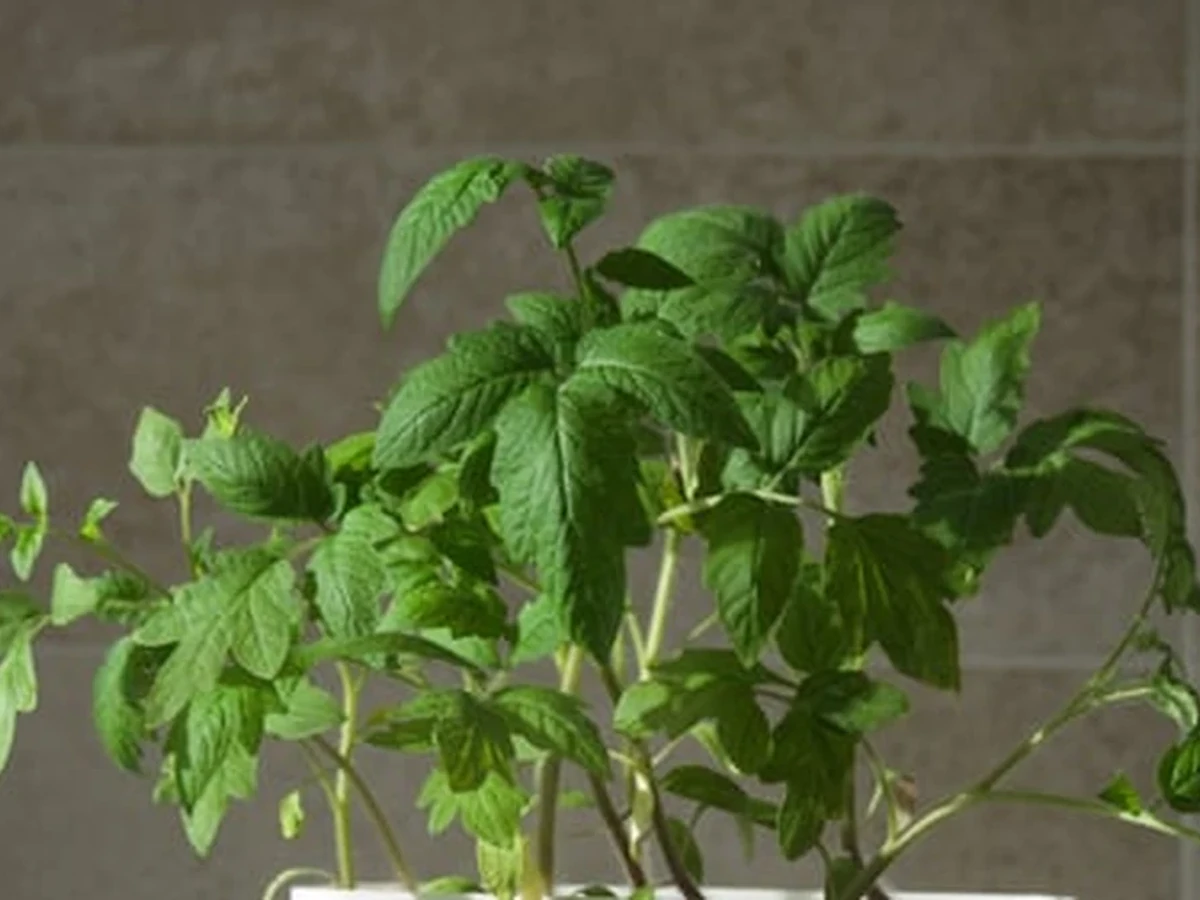
If you do not want to wait thirty days for a salad, plant microgreens. Microgreens are the ultimate high-density indoor crop. You sow seeds densely across a shallow tray of damp potting mix, harvest the seedlings when their first true leaves appear, and snip them with scissors right at the soil line.
Microgreens are distinct from jar sprouts. Sprouts are germinated entirely in water in dark jars, where you consume the seed, root, and shoot together. Microgreens grow in soil or fiber mats under light, developing rich chlorophyll, complex anthocyanins, and up to ten times the concentrated micronutrient density of mature field vegetables.
The best starter varieties are daikon radish (spicy, ready in 7 days), speckled pea (sweet, leafy, ready in 10 days), and sunflower shoots (nutty, crunchy, ready in 12 days). For a full equipment walkthrough and mold prevention tips, check our complete guide to growing microgreens.
Product Recommendation: A standard shallow 10×20-inch nursery flat (or a pair of 5×5-inch shallow micro-trays) with bottom drainage slits is all you need. Do not buy expensive automated microgreen appliances; plastic trays and tap water work just as well.
Fruiting Vegetables Indoors: Cucumbers, Eggplant, and the Pollination Reality
If you wish to grow sweet dessert fruit indoors alongside your fruiting vegetables, see our comprehensive step-by-step guides on growing strawberries indoors and closed-loop hydroponic strawberries.
Fruiting crops are not starter plants. They require large pots (3 to 5 gallons), intense light (600 to 900 PPFD), high water uptake, and direct human intervention to set fruit. If you do not have your lighting and environmental basics dialed in, master leafy greens first.
When you are ready to step up, rewarding crops to explore include compact bush cucumbers, slender Asian eggplants, and sweet or hot indoor peppers. For complete cultivar recommendations and multi-tier lighting blueprints, see our in-depth guide on growing peppers indoors as well as our specialized Thai pepper plant guide.
1. Compact Indoor Cucumbers
Standard garden cucumbers send out twelve-foot rambling vines. Indoors, you must plant bred bush types like Spacemaster 80 or parthenocarpic greenhouse cultivars (like Diva or Mini Munch). Parthenocarpic varieties produce all-female flowers that set fruit automatically without pollination, making them ideal for indoor growers.
If you grow non-parthenocarpic varieties, you must hand-pollinate. A cucumber plant produces separate male and female blossoms. Female flowers carry a tiny immature green cucumber at the base of the petals; male flowers sit on a plain, thin stem. Strip the petals from a fresh male flower and brush its yellow pollen-dusted anther directly into the center of an open female flower in the morning.
For complete variety selections and trellis configurations, read our detailed guide on growing cucumbers indoors.
2. Chinese Eggplants
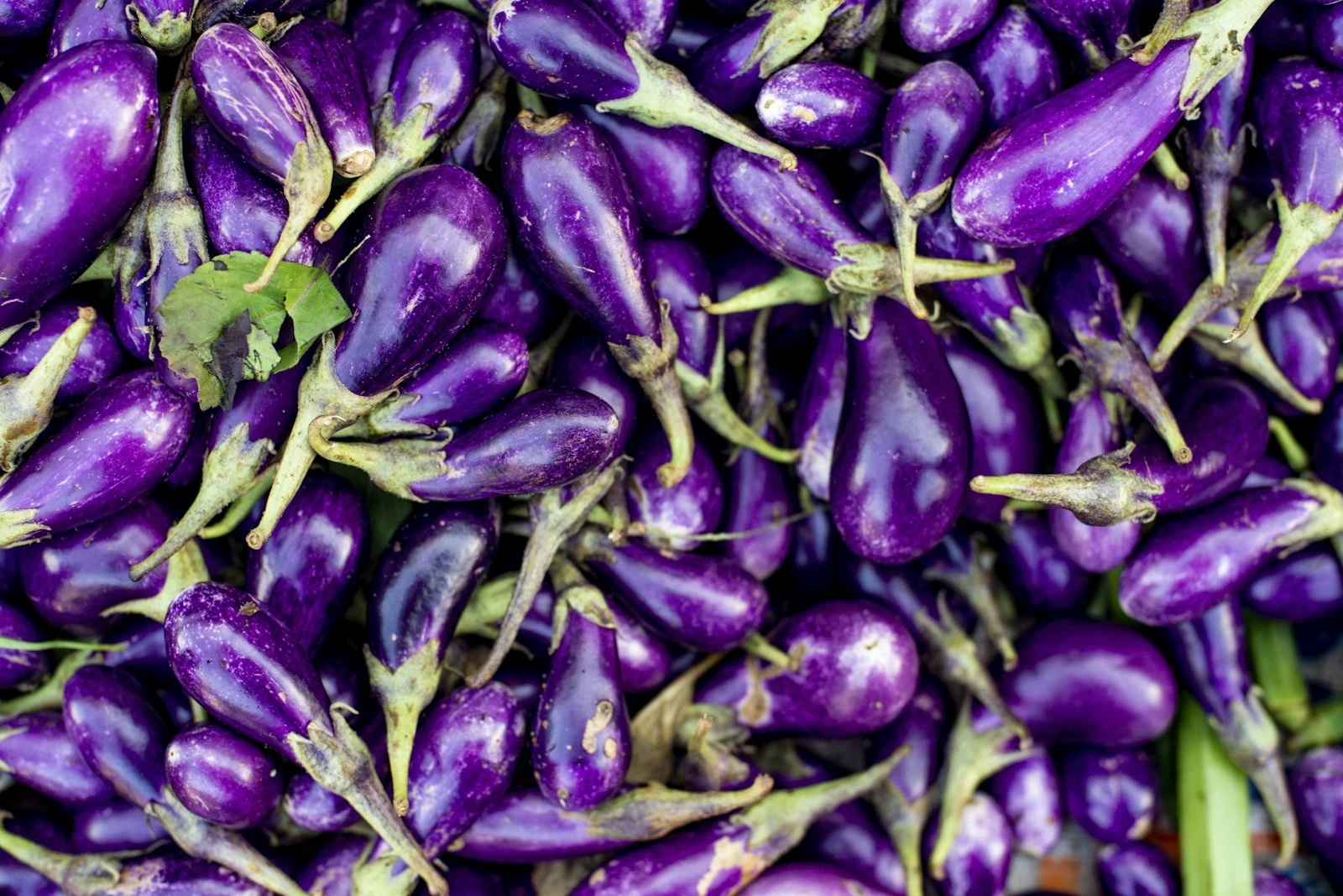
Chinese eggplants (like Ping Tung Long) produce long, slender, thin-skinned purple fruit with delicate, sweet white flesh that carries zero bitterness. They perform far better indoors than round, heavy Italian globe eggplants, which require huge root volumes and often snap indoor branches under their own weight.
For a detailed breakdown of container sizing, soil physics, and floral vibration techniques, consult our step-by-step tutorial on how to grow Chinese eggplant.
Eggplant blossoms are self-fertile, featuring a prominent yellow anther cone. Gently tap the flower cluster with your finger, or vibrate the stem with the back of an electric toothbrush for two seconds at midday to release pollen onto the central stigma.
Explore our step-by-step grower walkthrough on growing Chinese eggplant from seed to kitchen harvest.
Herbs Indoors: Fresh Harvests and Preservation
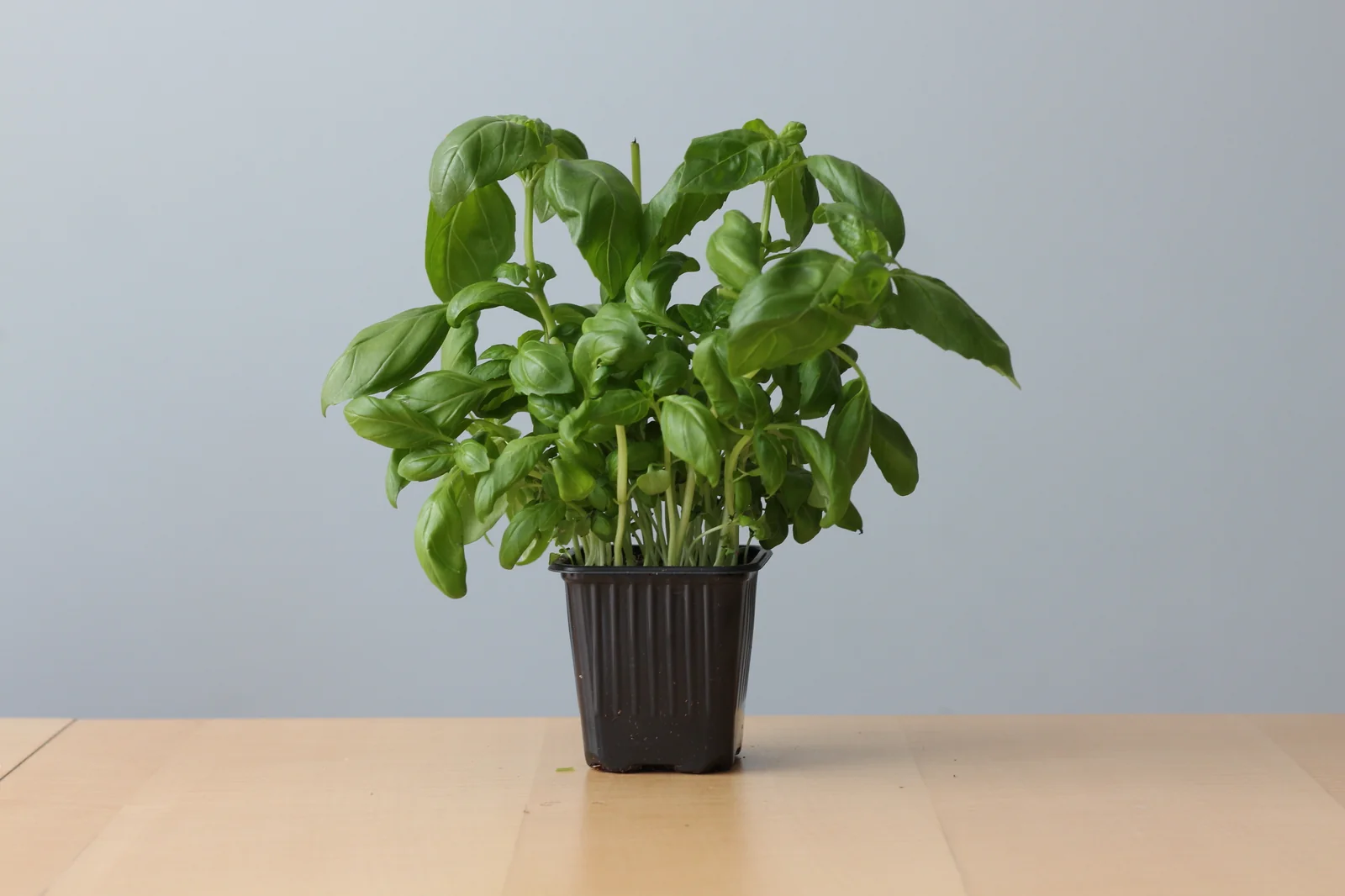
Culinary herbs are the third pillar of a productive indoor garden. Unlike grocery store herb bunches that turn black in the crisper drawer after four days, fresh potted herbs provide live sprigs on demand for months.
The top five herbs for home setups are Genovese basil, Italian flat-leaf parsley, chives, spearmint, and English thyme. Basil demands warm room temperatures (68°F–75°F) and steady light; mint is practically unkillable as long as the soil stays damp; chives can be clipped down to the crown with scissors and will regrow within two weeks.
Drying and Preserving Your Harvest
When herbs outgrow your kitchen needs, preserve them for winter storage. Woodier herbs (thyme, rosemary, oregano) dry cleanly when bound in small bundles with twine and hung upside down in a dark room with gentle airflow for ten days. Broad, water-heavy leaves (basil, mint, parsley) discolor and mold if hung in humid rooms; dry them on mesh screens in a food dehydrator at 95°F for four to six hours, or on a baking sheet inside an oven on its lowest “warm” setting with the door cracked open.
For storage tricks and flavor retention methods, read our comprehensive guide on growing and drying herbs.
Product Recommendation: A multi-tier hanging herb drying mesh rack with zippered compartments costs less than fifteen dollars. It keeps air moving 360 degrees around drying leaves while keeping dust and household pets away from your harvest.
Common Problems and How to Fix Them
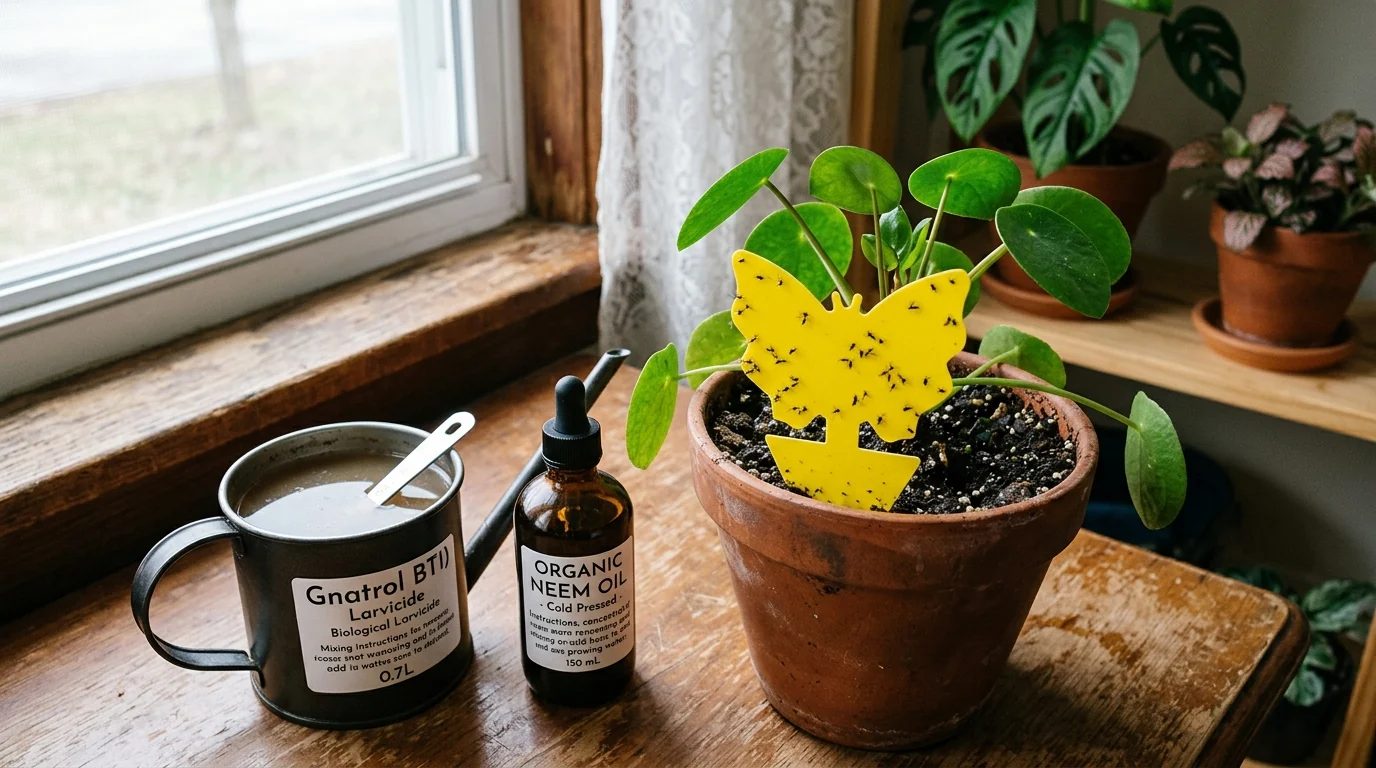
Indoor plants run into trouble when three factors get out of balance: light intensity, water volume, and soil drainage. When something looks wrong, run through this quick-reference diagnostic table:
Expert Tip: The number one killer of indoor vegetables is overwatering, not underwatering. More indoor plants die from kindness than neglect. If a plant looks tired or droopy, do not automatically grab the watering can. Push your index finger two inches into the soil. If the mix feels cool and damp, leave it alone.
Frequently Asked Questions
Can you grow vegetables indoors year-round?
Do I need grow lights to grow vegetables indoors?
What are the easiest vegetables to grow indoors?
Can you grow cucumbers indoors?
How many hours of light do indoor vegetables need?
What is the best soil for indoor vegetables?
Indoor Vegetable Feasibility, Light Economics & Nutrition Spec Sheet
Realistic harvest yields, kilowatt-hour efficiency, and nutrient targets compared directly to supermarket retail economics.
| Crop Classification | Feasibility Rating | Target EC (mS/cm) | Target pH | Min PPFD Needed | Daily Light Hours | Cost per lb vs Grocery Store |
|---|---|---|---|---|---|---|
| Microgreens (Radish, Pea, Broccoli) | 5/5 (Unbeatable) | 0.4 – 0.6 | 5.8 – 6.2 | 100 – 150 µmol/m²/s | 12 Hours | 85% Cheaper ($0.40/oz vs $2.50/oz) |
| Leaf Lettuce & Butterhead | 5/5 (High Yield) | 1.2 – 1.6 | 5.6 – 6.0 | 200 – 250 µmol/m²/s | 14 – 16 Hours | 65% Cheaper ($0.75/head vs $2.20/head) |
| Culinary Herbs (Basil, Mint, Dill) | 5/5 (High ROI) | 1.4 – 1.8 | 5.8 – 6.2 | 250 – 300 µmol/m²/s | 14 – 16 Hours | 90% Cheaper ($0.30/bunch vs $3.49/clam) |
| Micro-Dwarf Cherry Tomatoes | 3.5/5 (Moderate) | 2.0 – 2.5 | 6.0 – 6.5 | 450 – 550 µmol/m²/s | 16 Hours | Break-even with lighting electric cost |
| Compact Hot Peppers (Thai, Jalapeño) | 3.5/5 (Moderate) | 1.8 – 2.4 | 6.0 – 6.4 | 450 – 550 µmol/m²/s | 16 Hours | 40% Cheaper over 2-year perennial life |
| Root Vegetables (Carrots, Beets) | 1.5/5 (Impractical) | 1.4 – 1.8 | 6.0 – 6.5 | 300 – 400 µmol/m²/s | 14 Hours | 250% More Expensive than Store |
| Sweet Corn / Melons | 0.5/5 (Do Not Grow) | 2.2 – 2.8 | 6.0 – 6.8 | 800+ µmol/m²/s | 18 Hours | Extreme Net Financial & Spatial Loss |